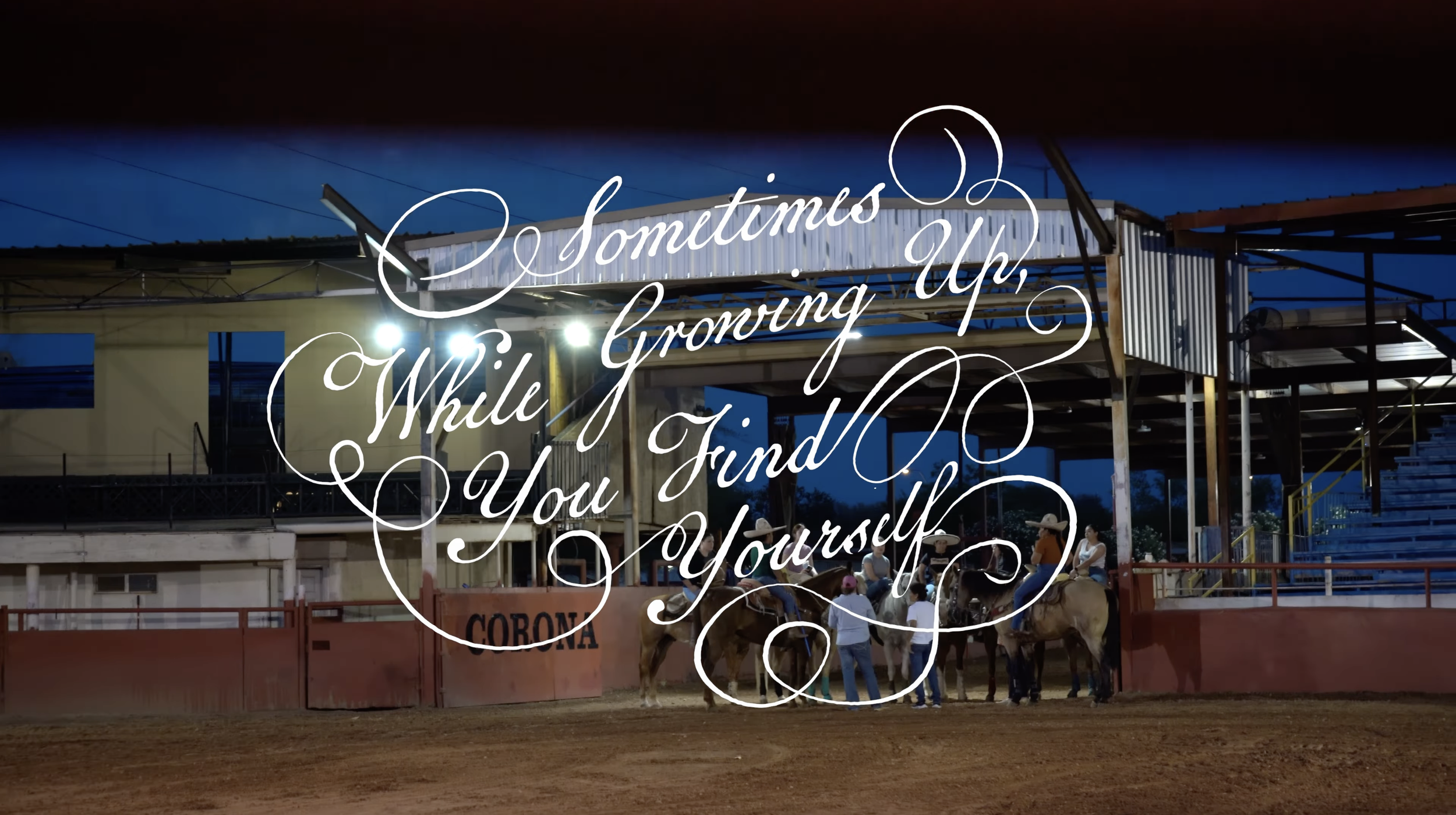
Sometimes While Growing Up, You Find Yourself Documentary
BrassTuna’s Sometimes While Growing Up, You Find Yourself Documentary Transcription
(Published for the exhibition’s One-Year Anniversary)
This transcription documents the film Sometimes While Growing Up, You Find Yourself, which has not been released for public viewing. The film was exclusively on view during the physical exhibition at the Eric Fischl Gallery in November 2025.
This text serves as a permanent record of the project’s original presentation and narrative content.
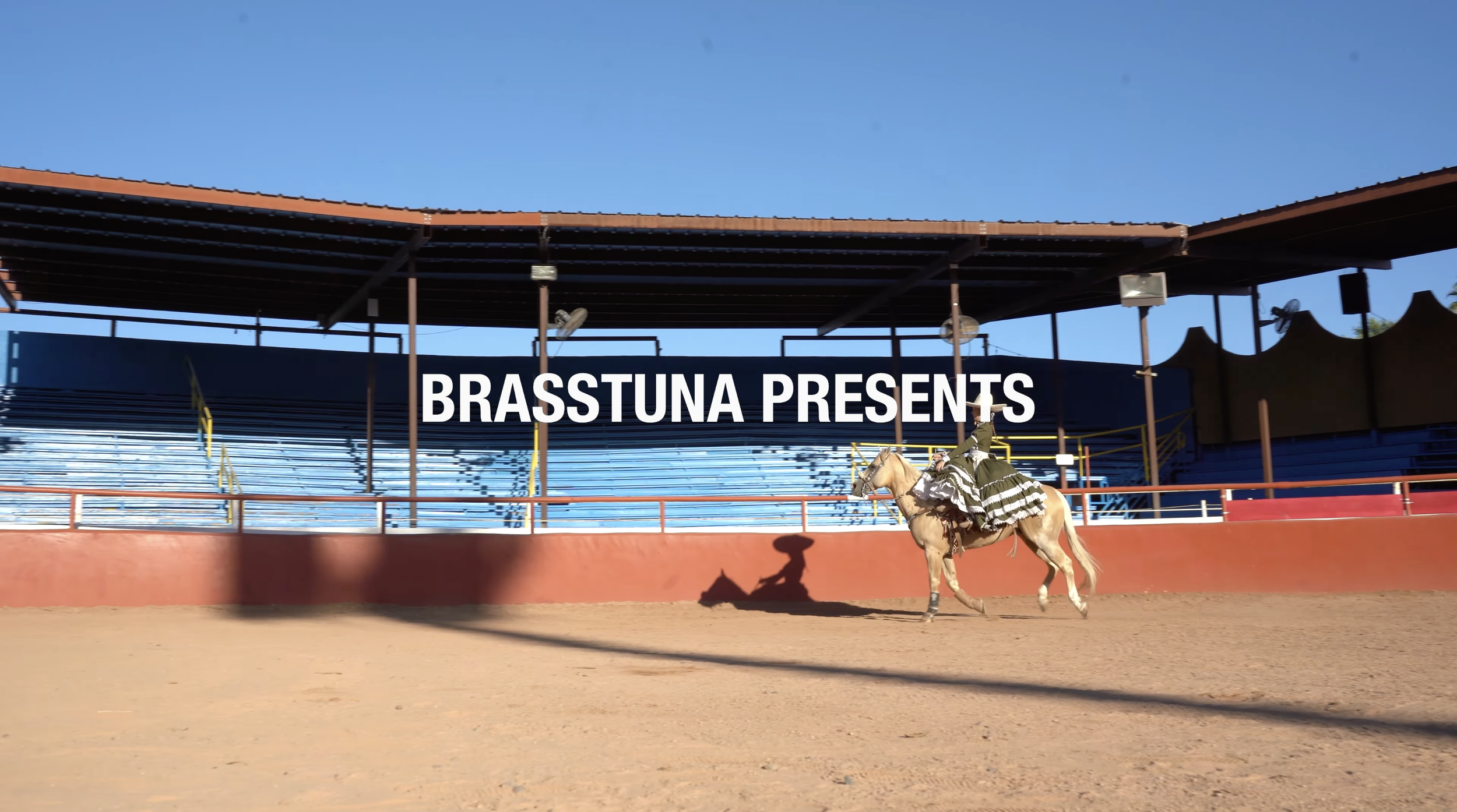

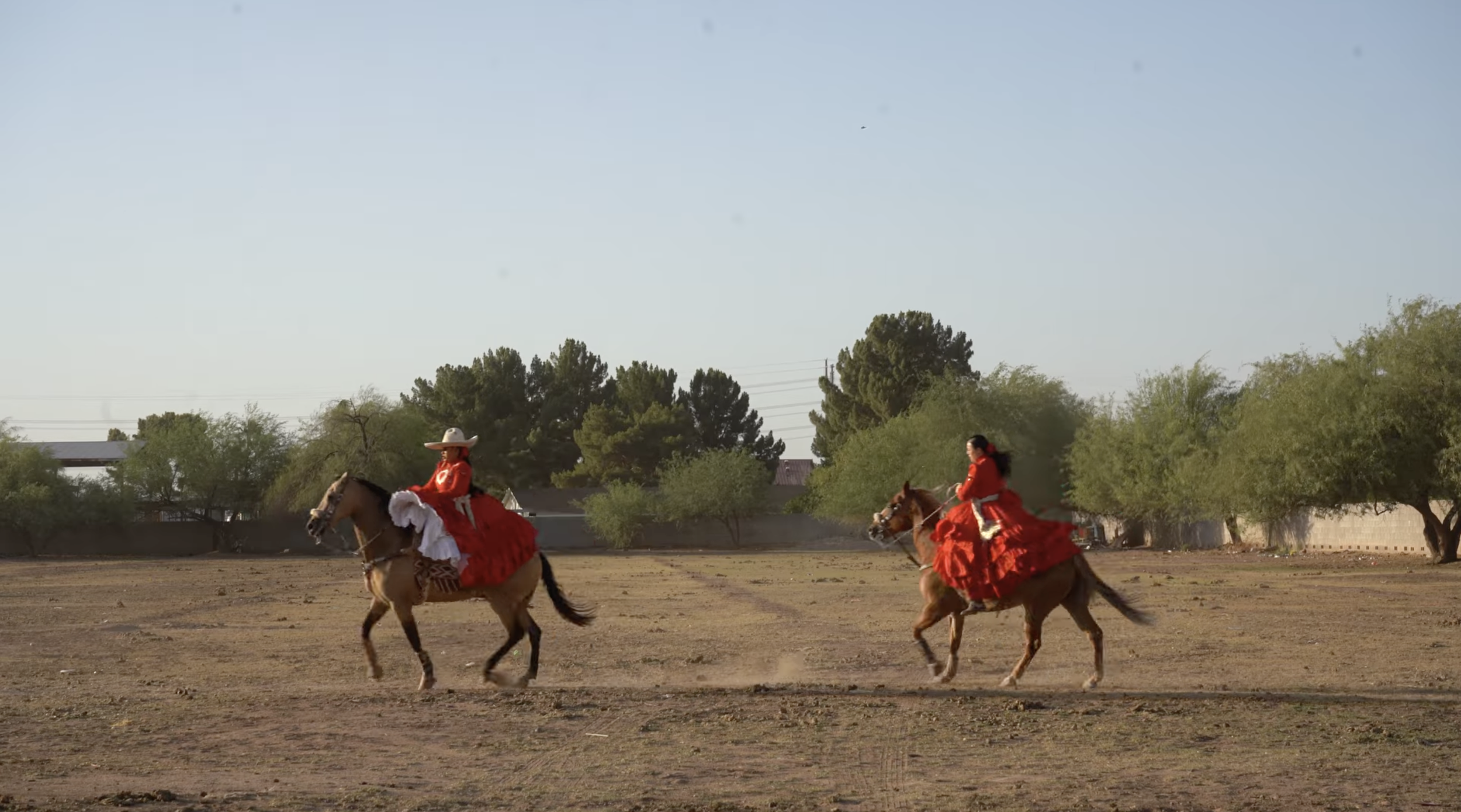
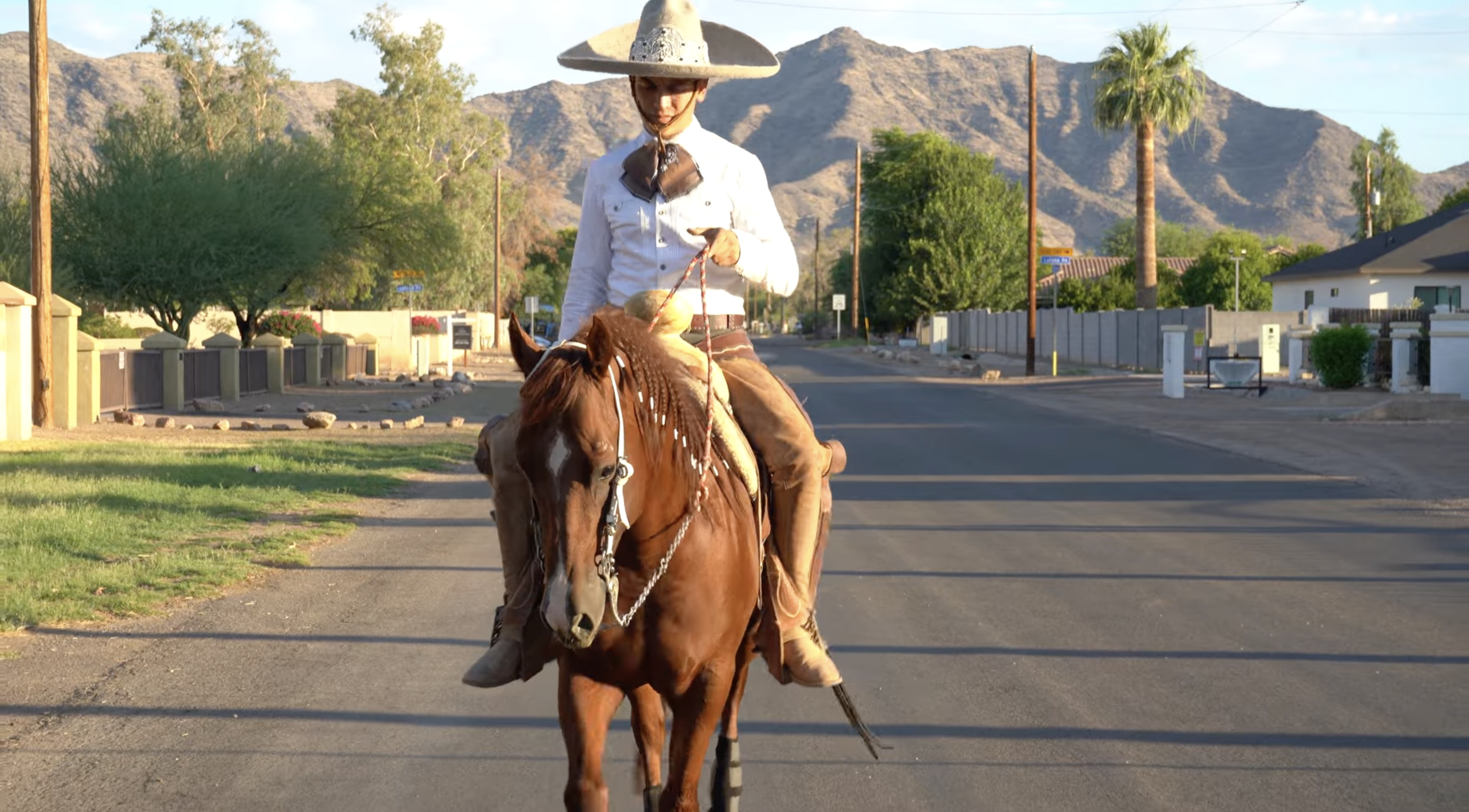
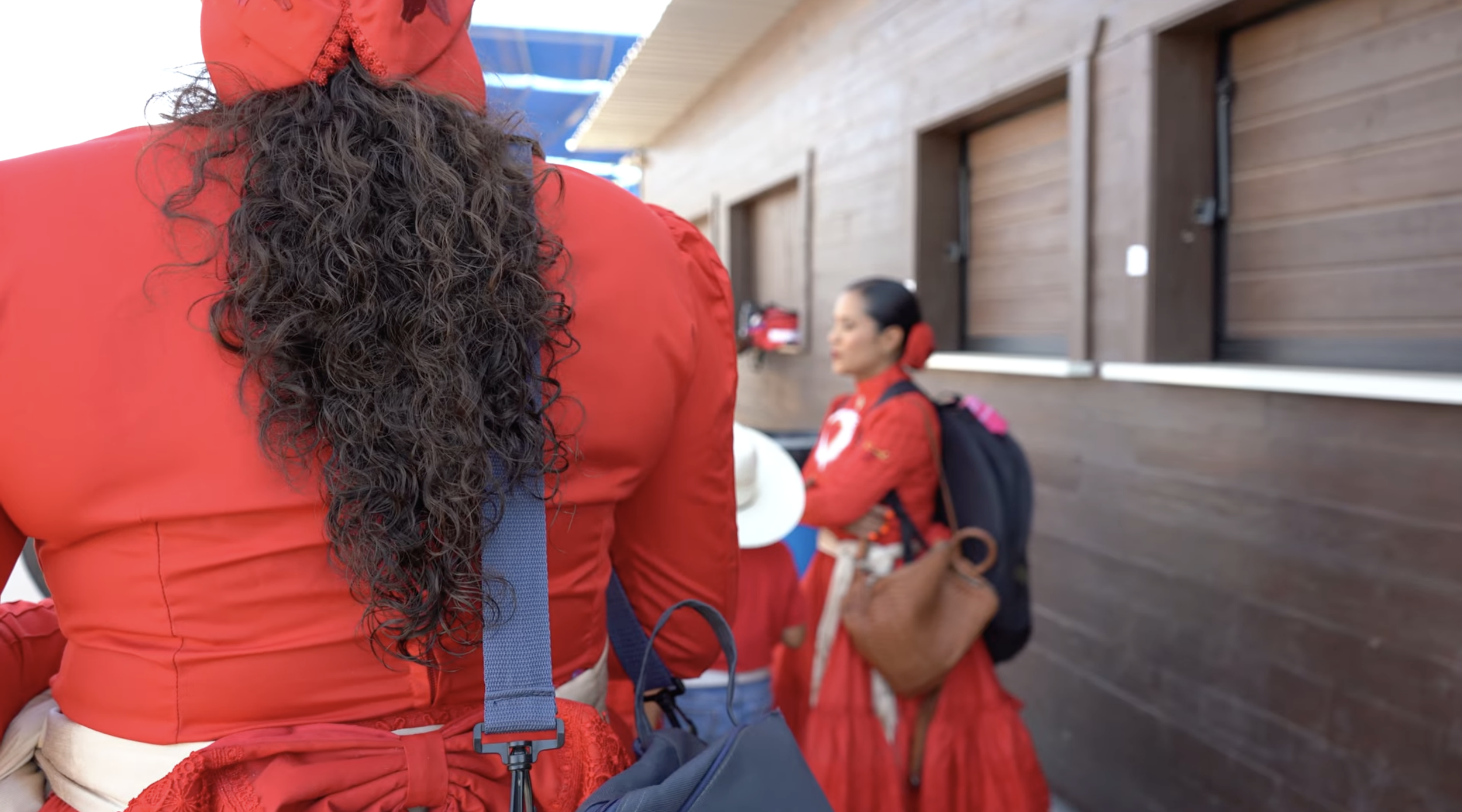
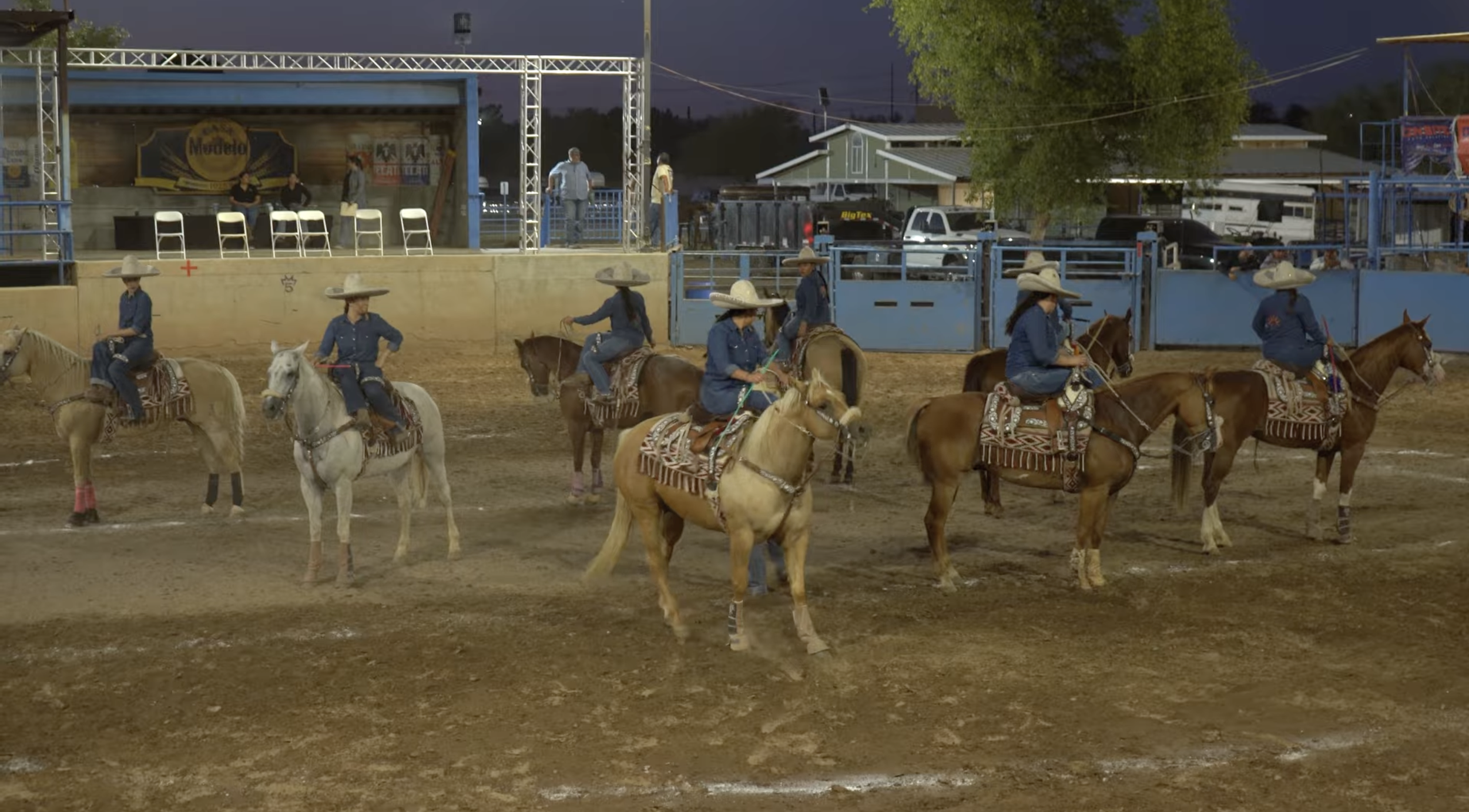
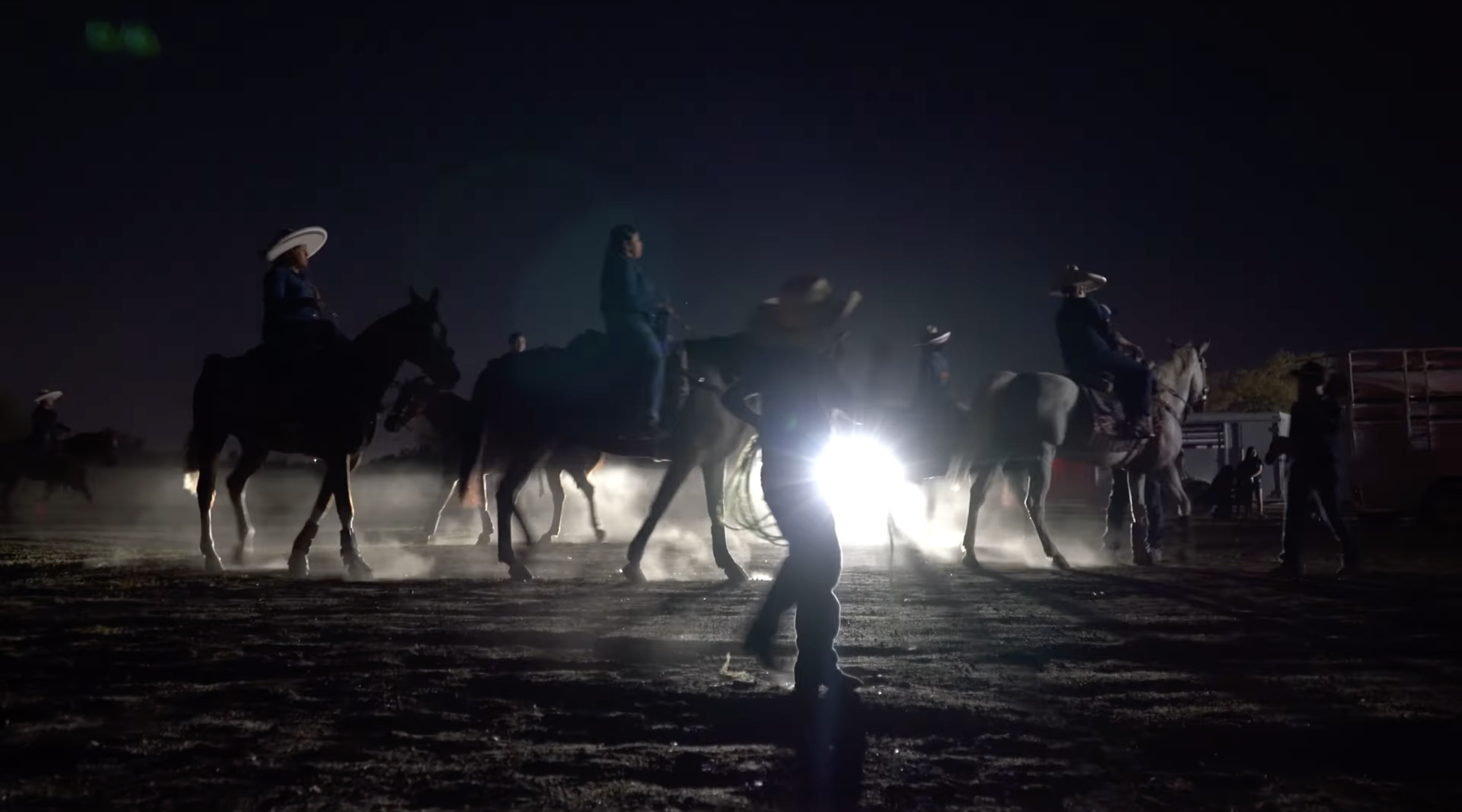
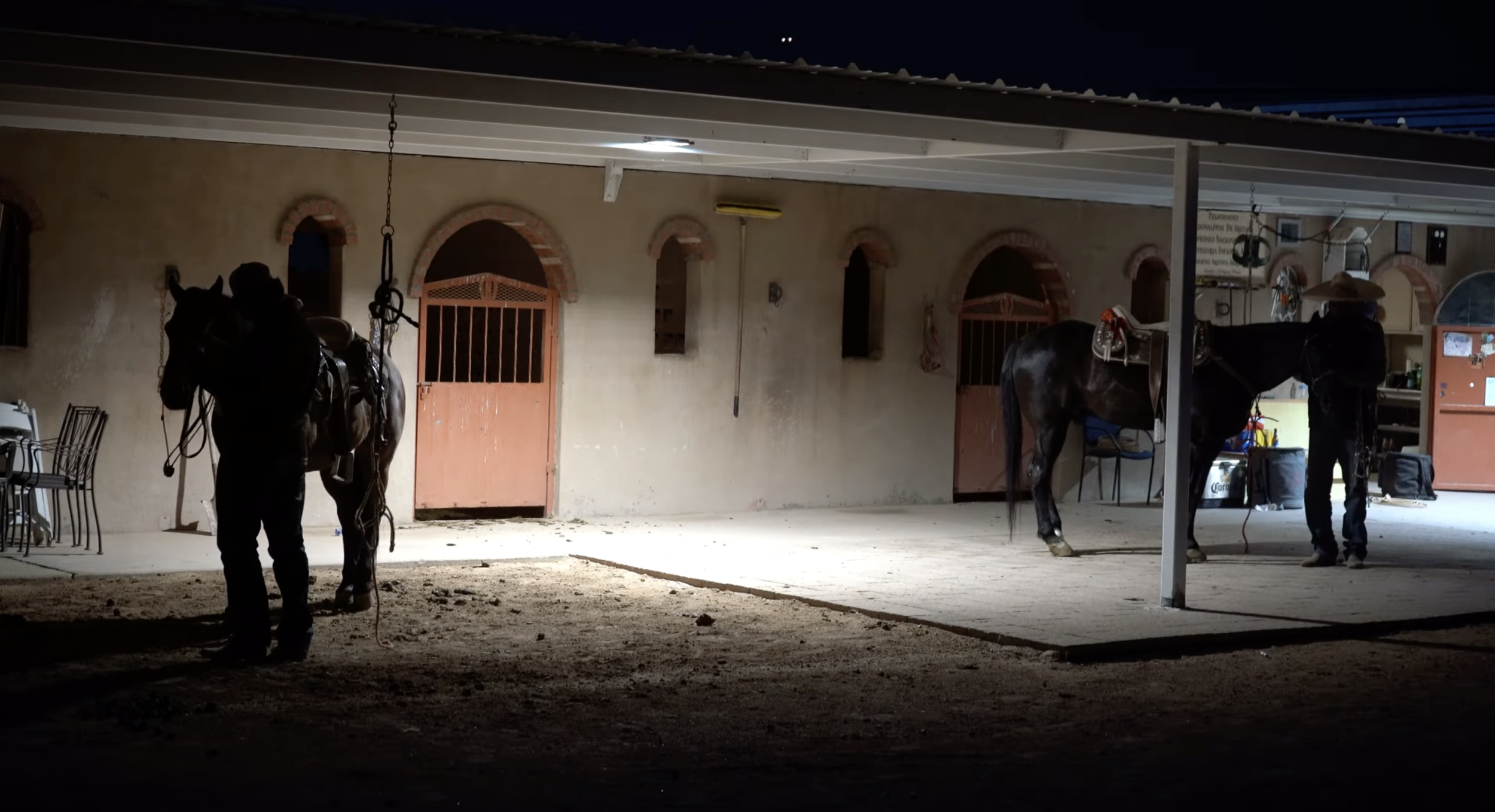
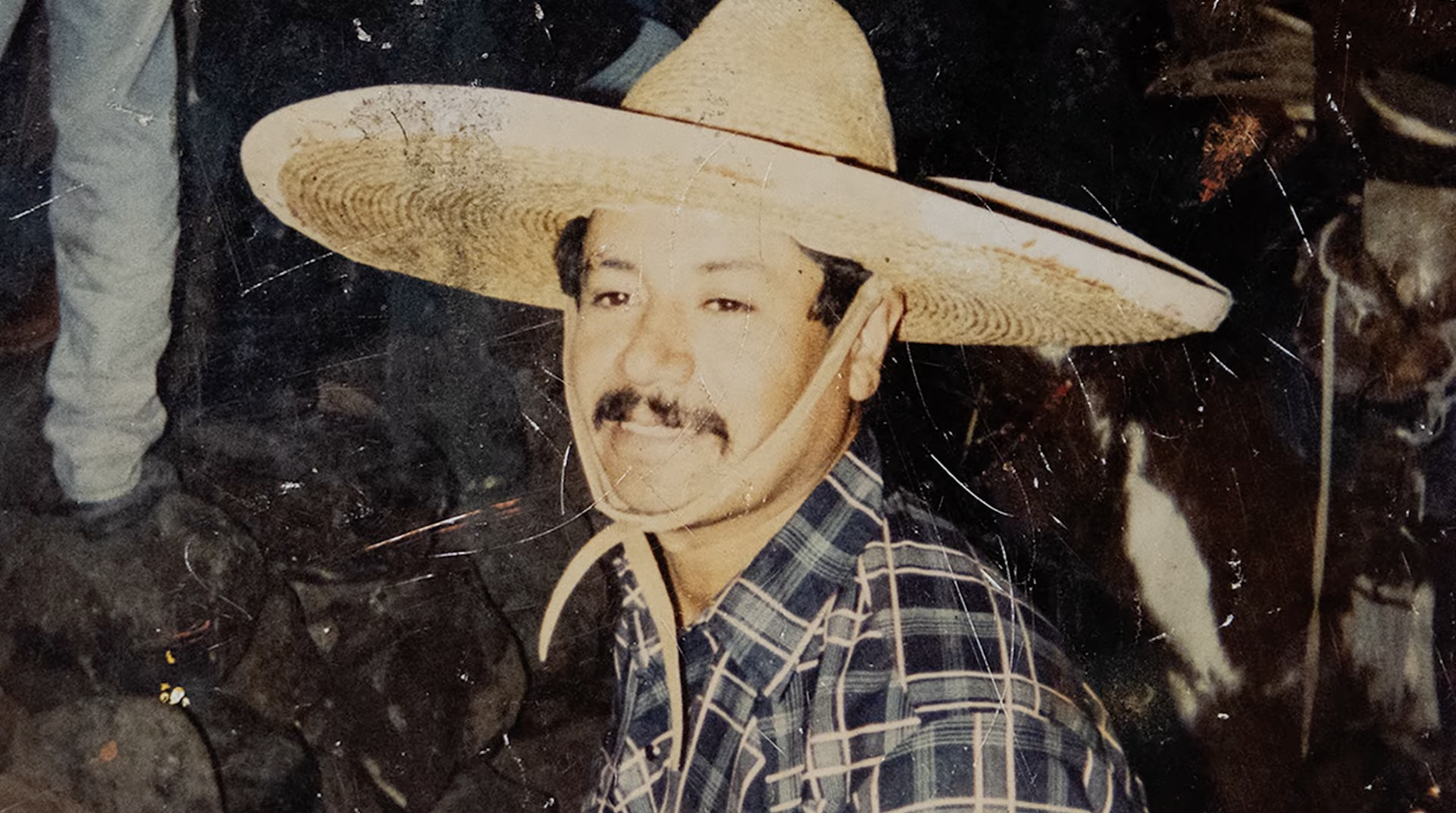
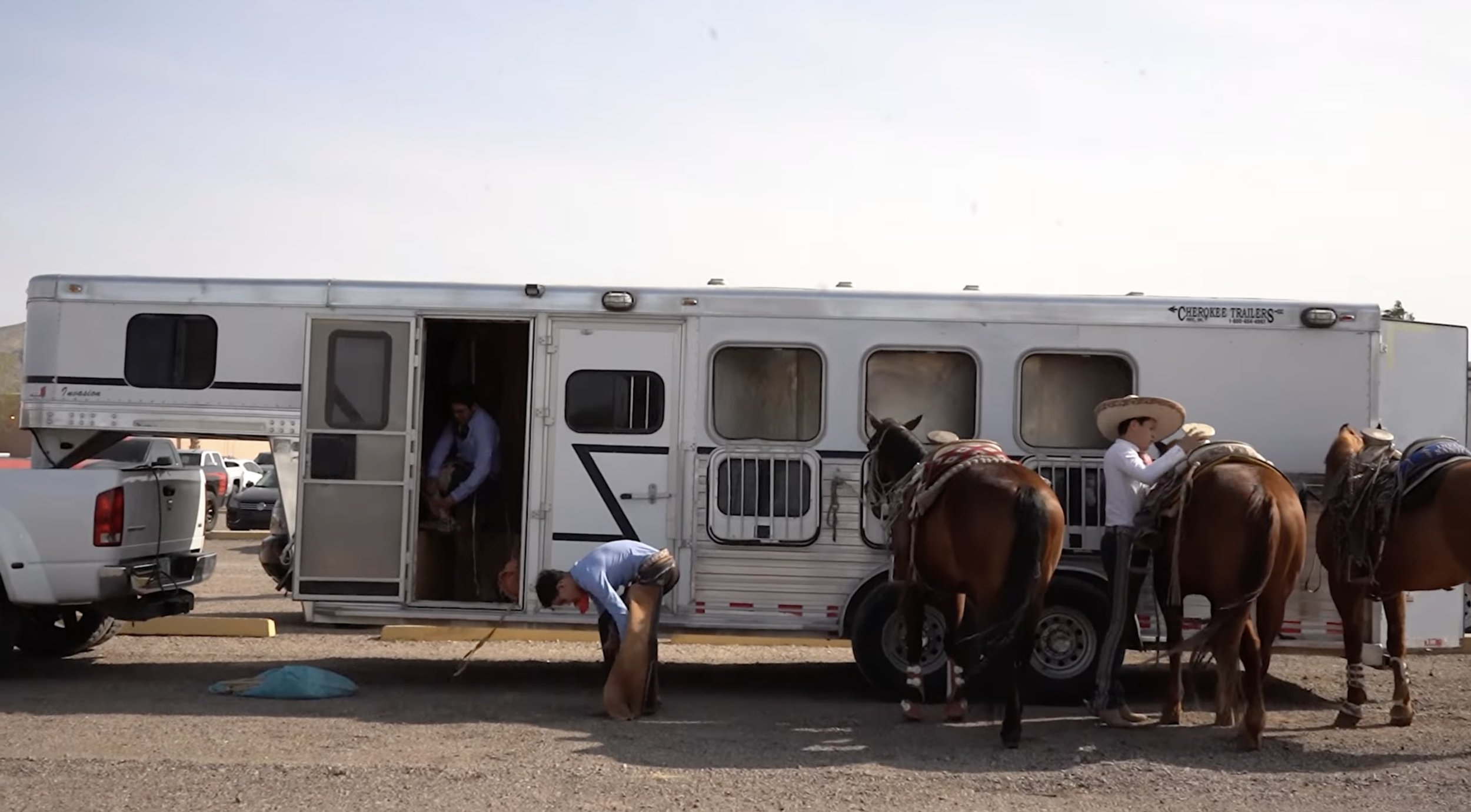
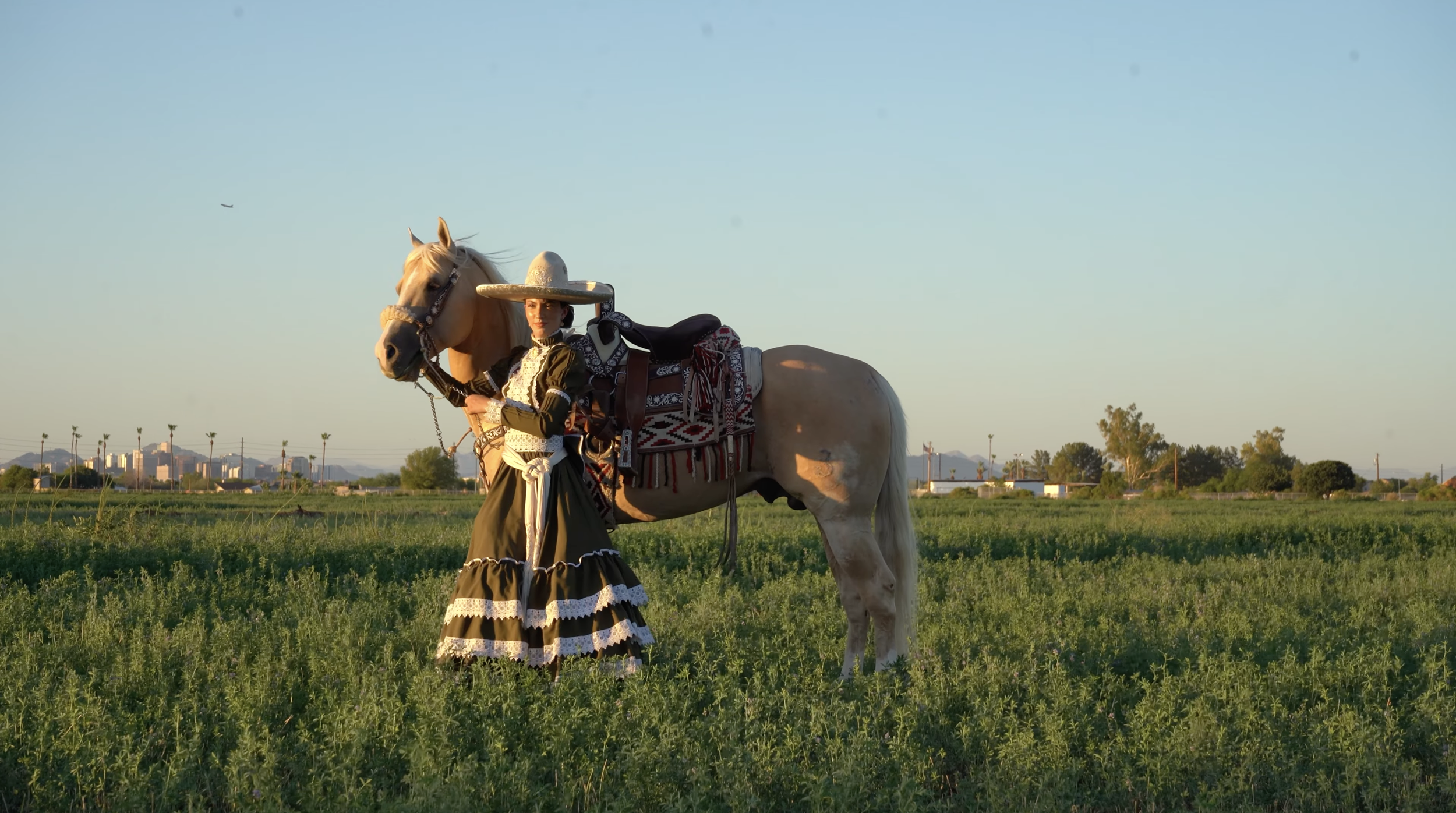
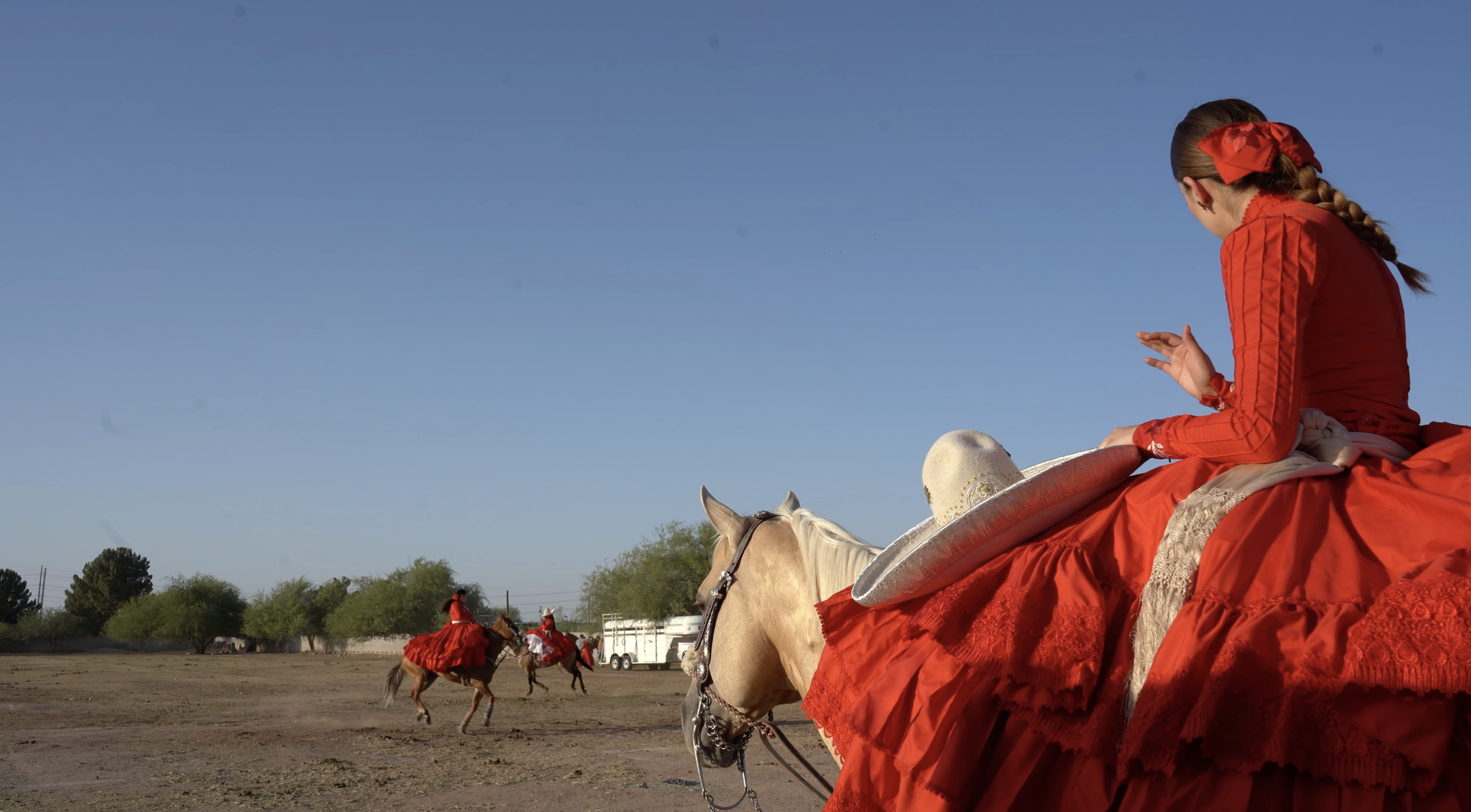
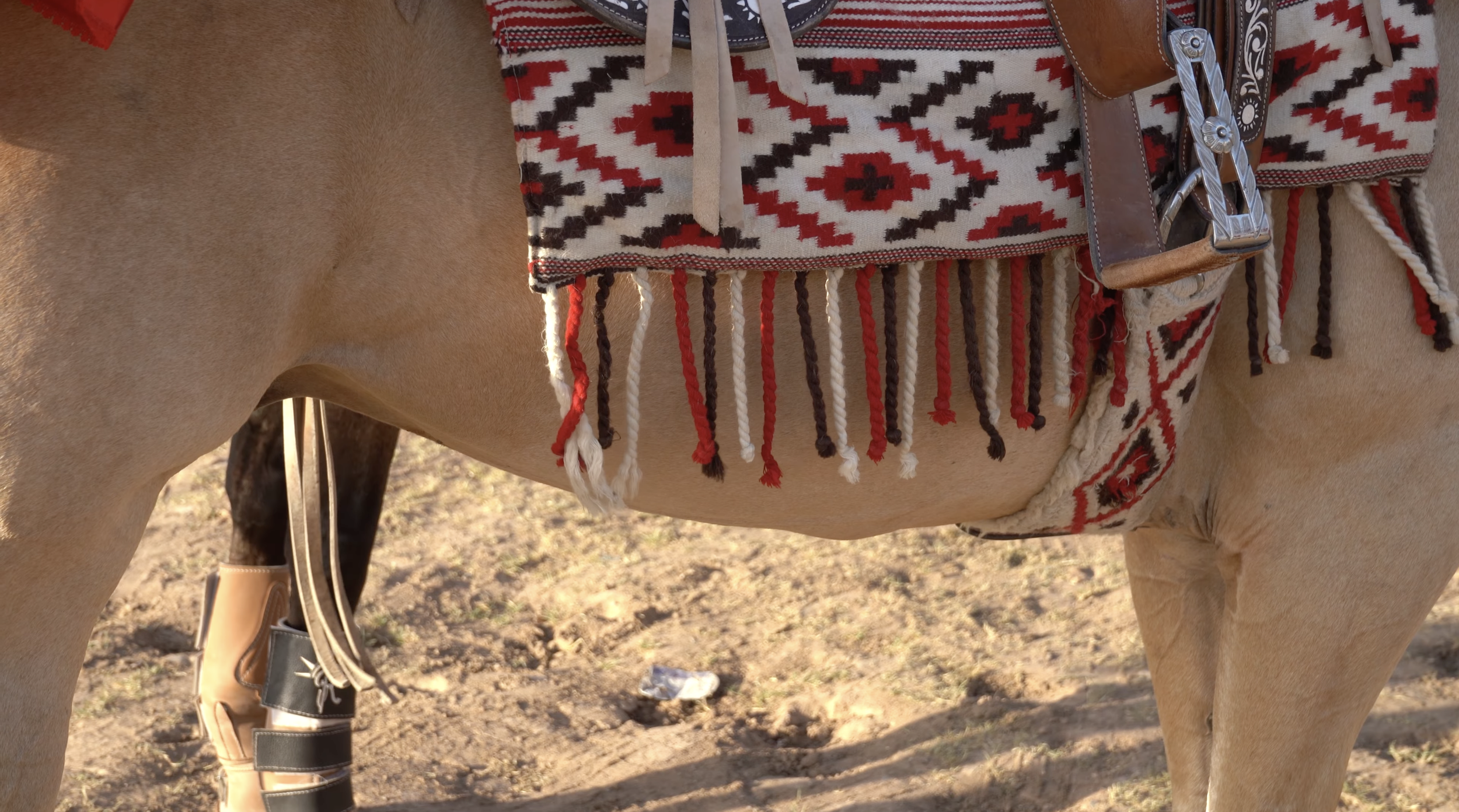
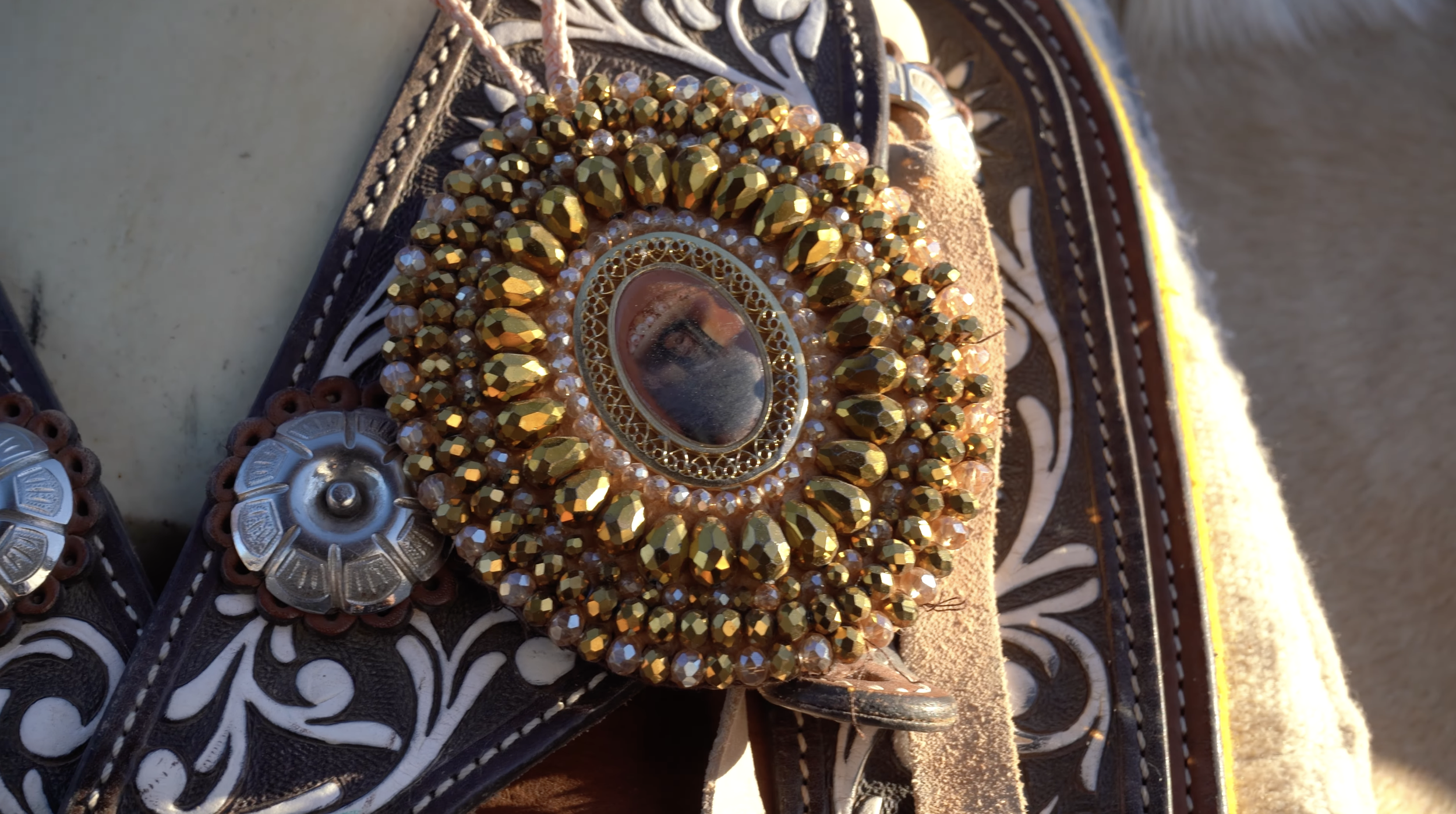
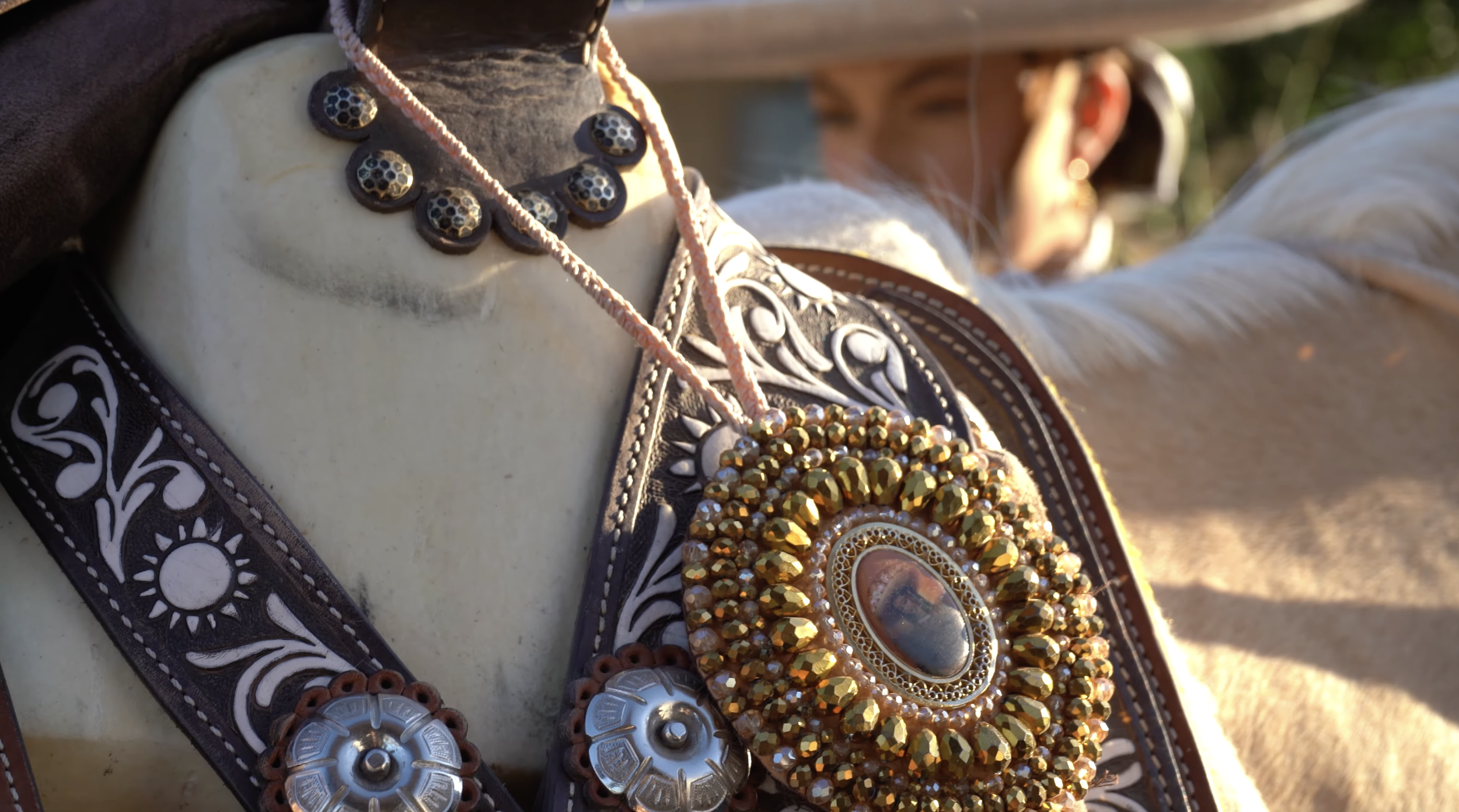
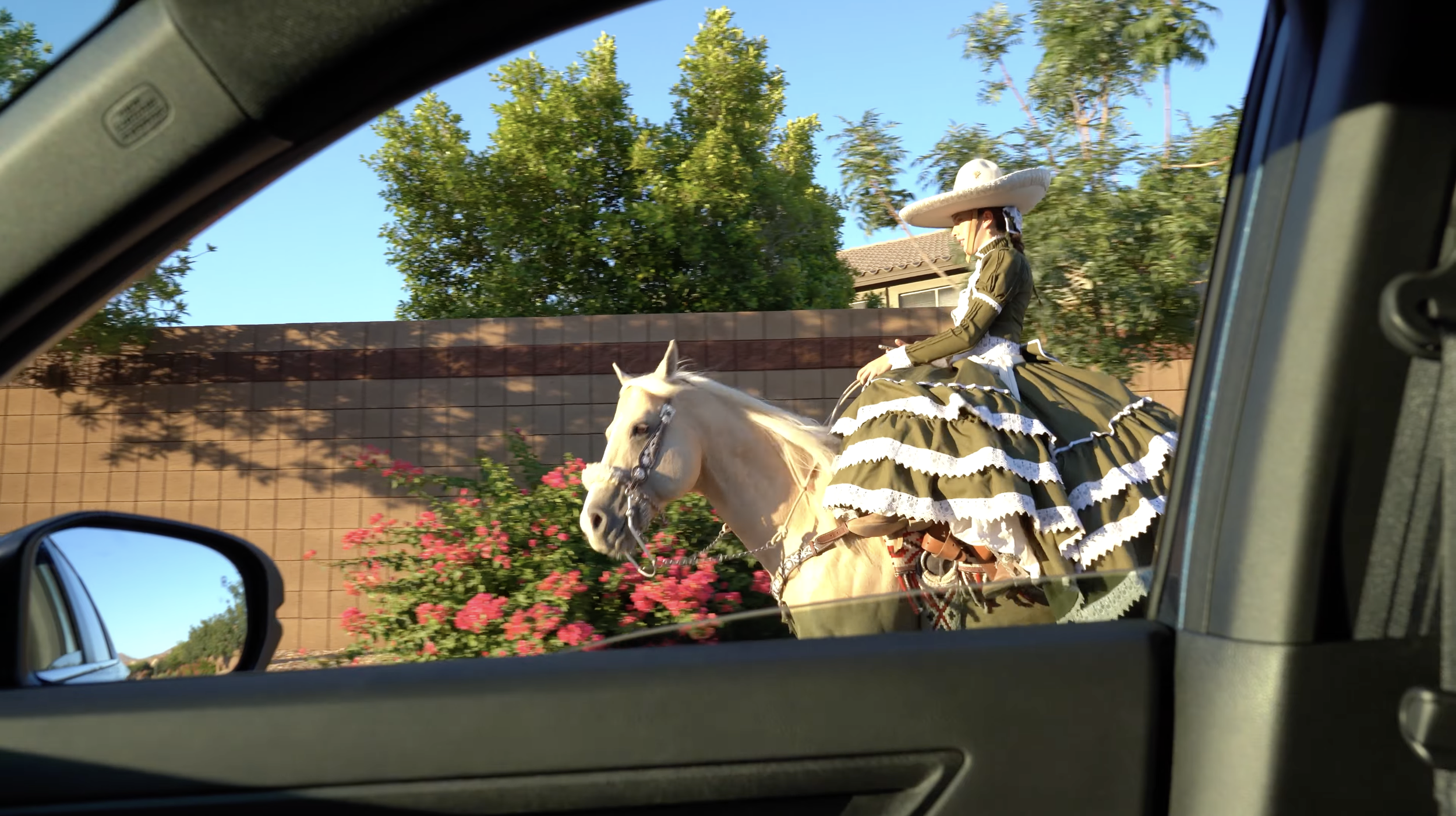
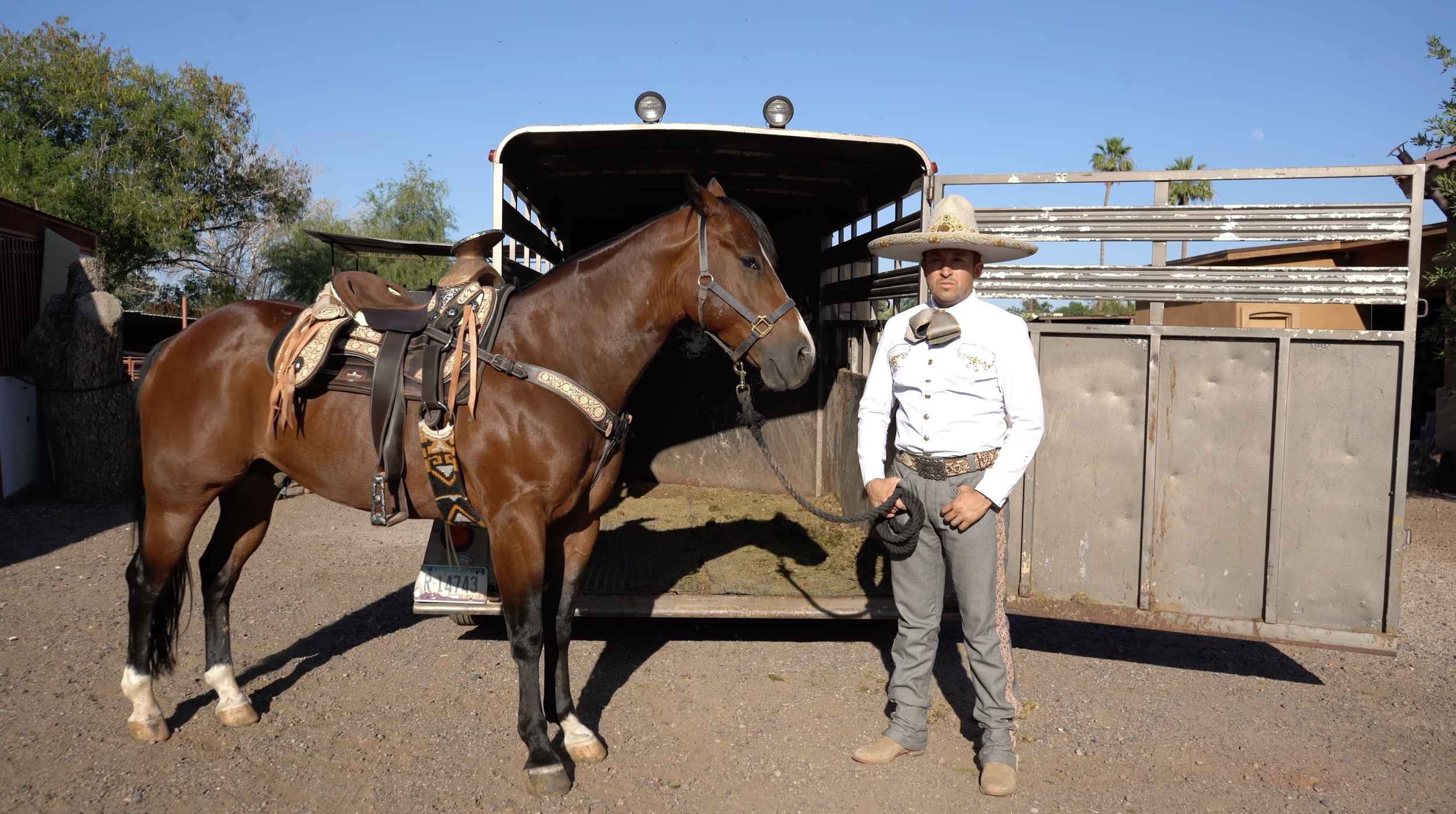
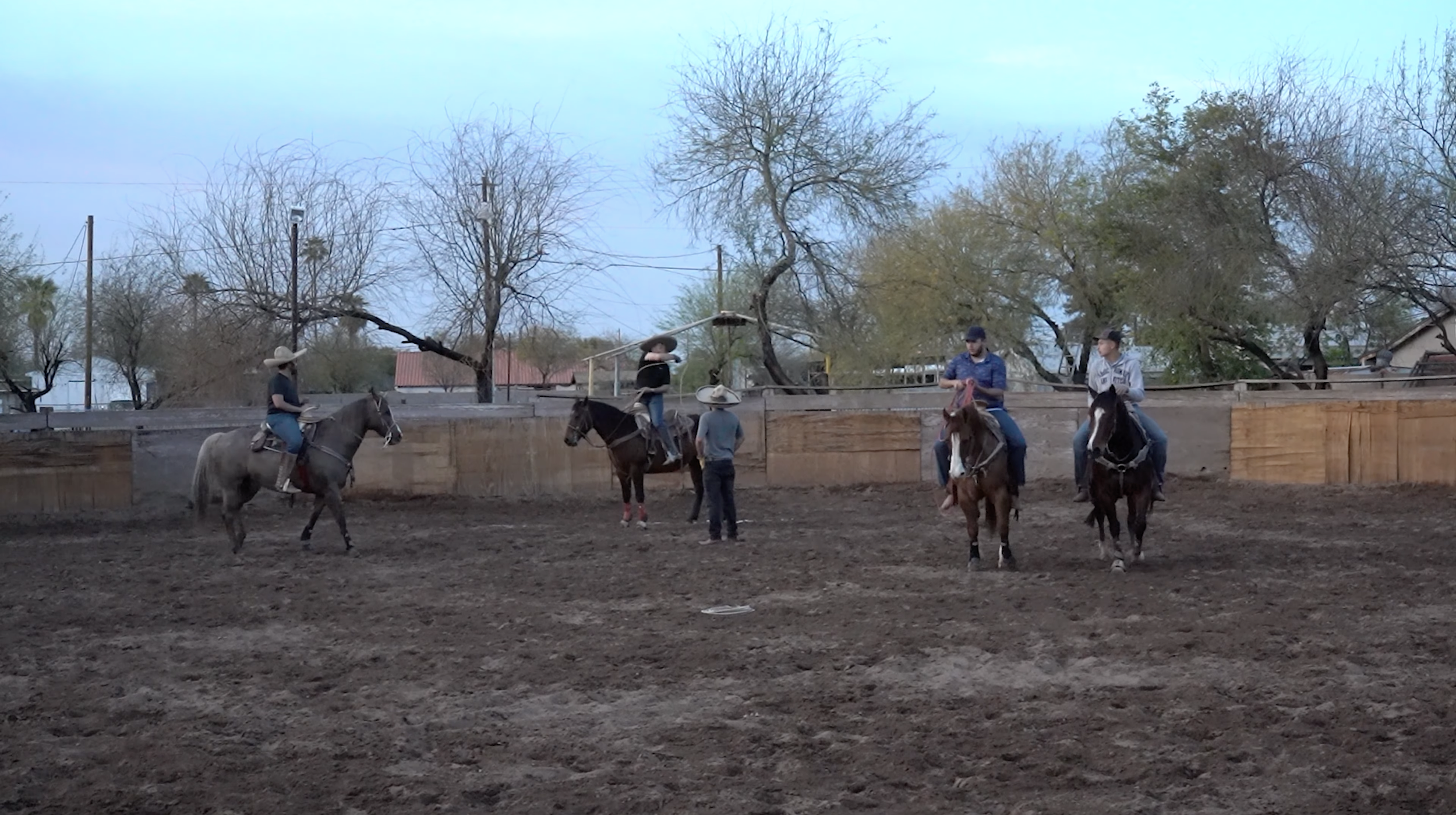
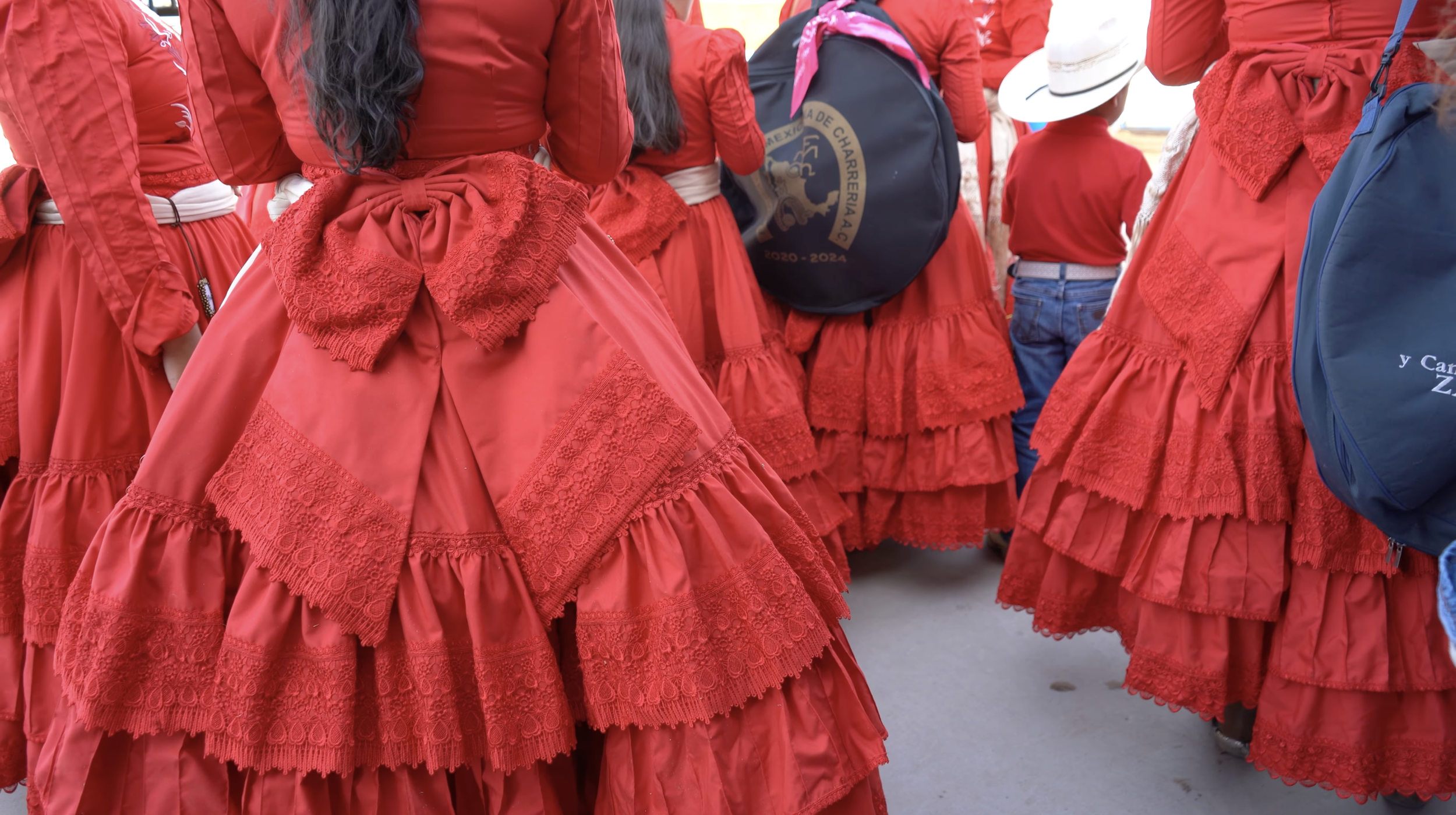
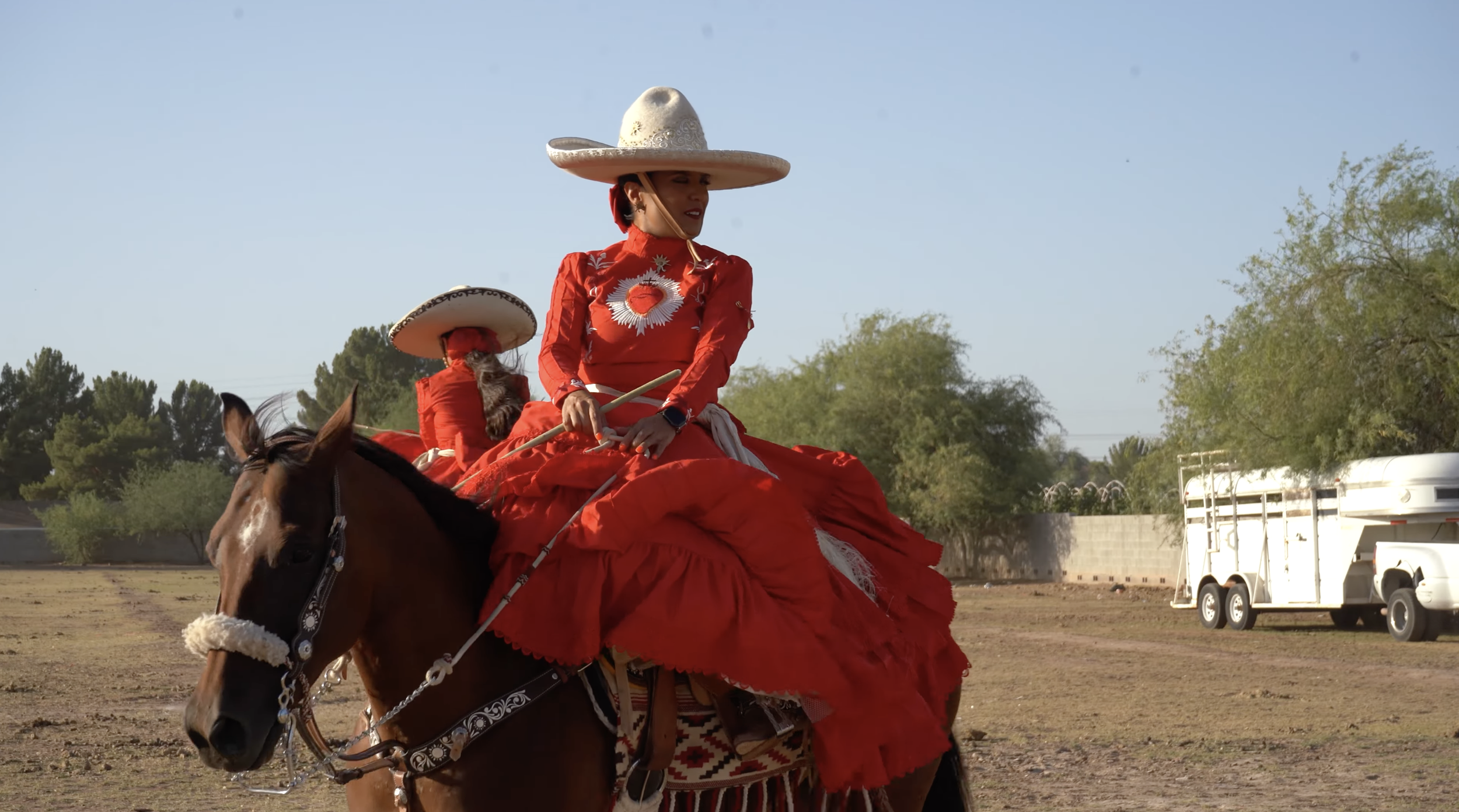
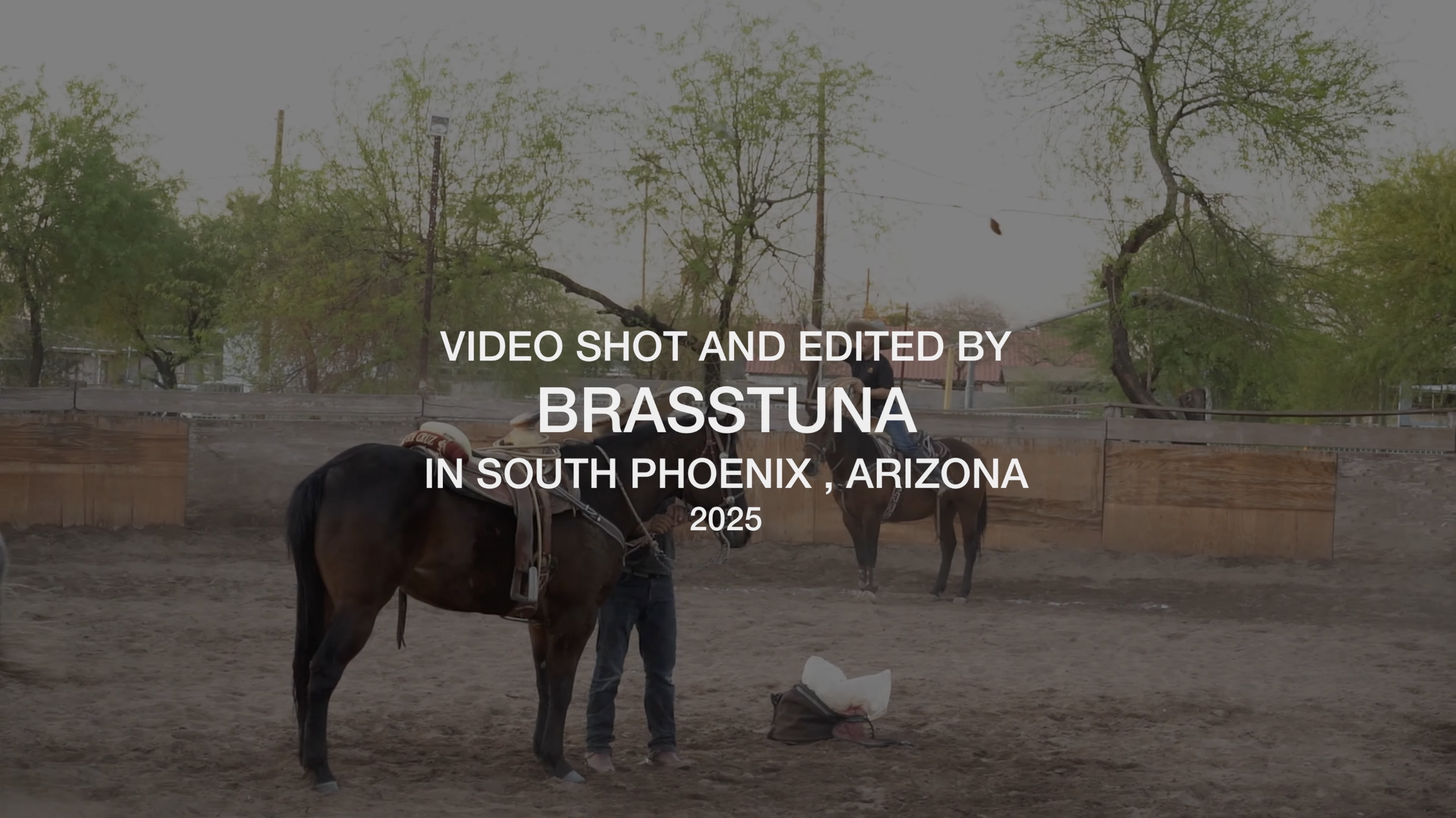
Scene 1
Intro : [0:00 - 0:52] El Balajú - Mariachi Cobre
[1:01 - 3:26] Amanecí En Tus Brazos - Lucha Villa
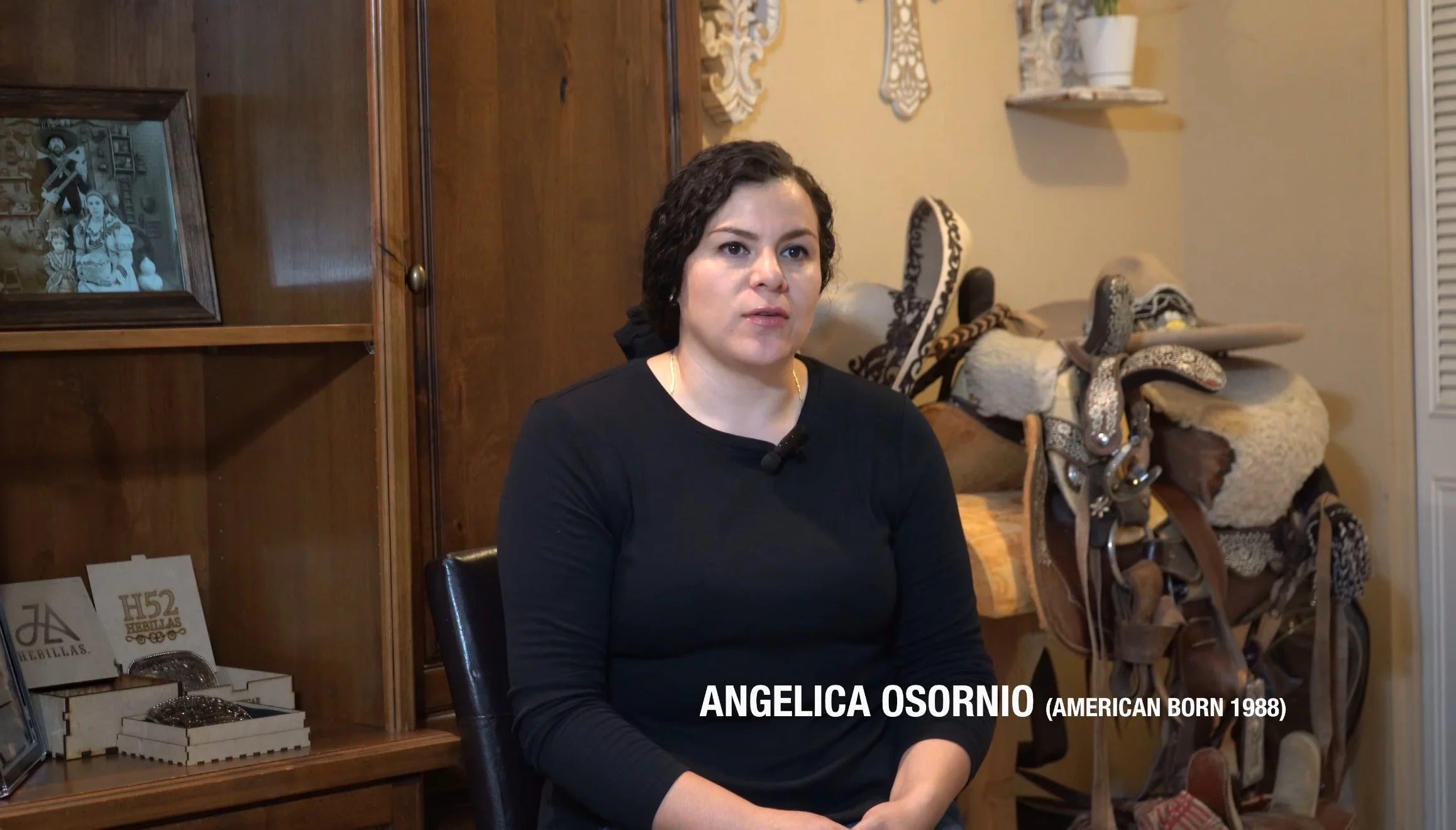
Angelica Osornio (American born 1988) :
[1:15 ] So growing up I was very tomboyish. So I used to ride just regular saddle. I use to go with my dad when he would have like practices. And I would just work out my horse.
And it was the major part I don’t think I, I can’t remember the first time that I got on the horse. It was very young. So to me it’s everything.
It’s everything. It’s not, I don’t see myself five years from now. I don’t see myself not being part of it so…
[2:13] So as an escaramuza I didn’t start very young. I started around 14, 15. I wasn’t in a team that was federated, we weren’t competing. So for me it was like my best memory was later on. My first National, Congreso National. That one was when we went, completely different. The environment, how everything was, like everything was just like bigger.
I, we, when I started, we did not even know what an escaramuza was. The saddle. Like I had never seen an albarda when I started. And for it just when I started riding, it was just like for fun. Pretty much. It wasn’t like competition, that came on later.
[1:15 ] Creciendo, era una niña poco femenina; entonces montaba caballos igual que
los charros. Yo me iba con mi papá cuando había prácticas y me ponía a ejercitar mi
caballo. Y esos eran momentos muy importantes para mí y no creo que recuerde
cuándo fue la primera vez que me subí a un caballo. Supongo que fue cuando era niña.
Entonces para mí eso es todo. Es mi vida. No me puedo ver a mí misma en cinco años,
pero no me puedo imaginar sin formar parte de esto.
[2:13] Como escaramuza, no empecé tan joven. Empecé como a los 14 o 15. No
estuve en un equipo que era parte de la federación; no competíamos. Entonces, para
mí, mis mejores recuerdos fueron más adelante en mi vida. Mi primer nacional, el
Congreso Nacional. Eso fue cuando vimos todo completamente diferente. El ambiente,
como era todo, todo era como más grande.
Yo, nosotras, cuando yo empecé, no sabíamos lo que era una escarmuza. El sillín.
Nunca había visto un albarda cuando yo empecé. Cuando empecé a montar, era más
bien como una diversión; no era tanto para competir. Eso llegó después.
Scene 2
[3:28 - 6:14] Contigo - Germán Valdés “Tin Tan”
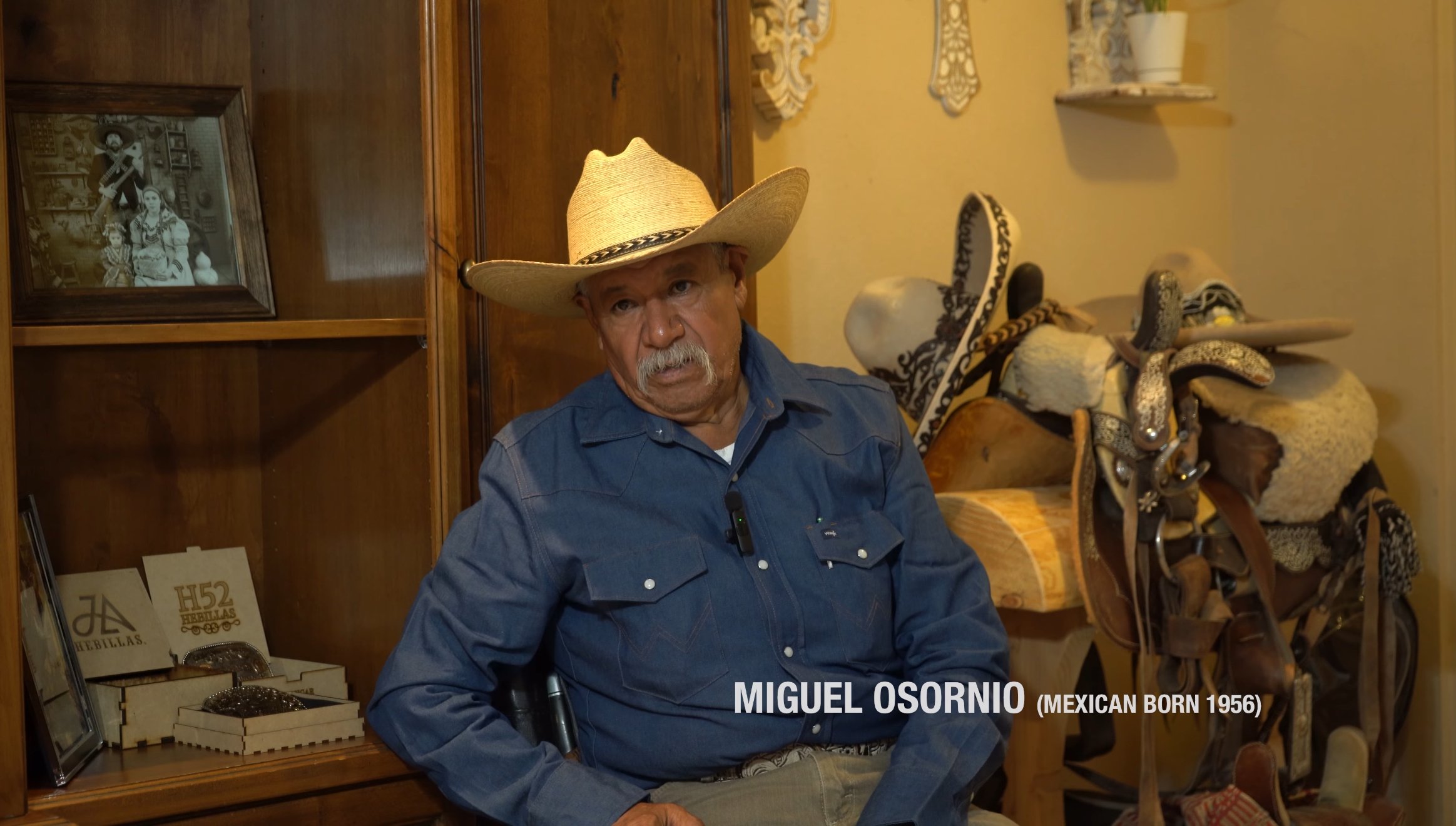
Miguel Osornio (Mexican born 1956) :
[03:43] Mi primer memoria fue en el 1976 cuando yo recién llege yo aquí se inauguró
un lienzo en Peoria estaba por la Northern y la 83rd ese fue mi primer expeirencia se
puede decir mi primer Charreada donde participe sin saber mucho de Charreria.
[04:10] Muchos, en aquellos años no había caballos que de veras fueran de cala no
habia caballos que deveras fueran de colas, ni que se pararan en los piales como
ahora que usas uno para cada suerte en ese tiempo usabas el que usabas para
empezar ese usabas para riar y pa la terna para todo porque no había no había tantos
caballos.
[04:42] En aquellos años no había quien floreara lo que hacen ora, a cambiando
muchísisimo porque hay muy buenos floreadores muy buenos manganeadores enaquel tiempo nada más era simple las manganas, la terna se hacía simplemente de una
sola de una vuelta que fuera o a la vieja, y ya eso ya no lo miras en estas épocas.
[05:25] ¿Que signfiica, significa mucho porque es un deporte muy bonito nada mas
que hay personas y habemos personas que no lo respeta uno como debe de ser se a
perdido un poco el respeto pero este deporte es muy bonito y necesita uno cuidarlo
mucho porque hay personas que en lugar de cuidarlo, lo están … lo quieren destruir o
han destruido de ciertas formas cual no debe de ser pero si este es un deporte muy
bonito.
[03:43] My first memory was in 1976 when I first arrived here, a lienzo/arena was inaugurated in Peoria, it was located around 83rd ave and Northern.
I would say it was my first Charrería where I participated without knowing a lot about Charrería.
[04:10] A lot, in the earlier years, there were not horses specifically for reining, there weren’t any horses specifically for steer tailing, neither was there horses that could stop with their heels, like they are now where there is one horse designated for each event.
In the earlier years, you would use the same one when you would start and when you would rope the horses heels together, for team roping, for all of the events, there weren’t that many different horses involved.
[04:42] In the earlier years, there wasn’t someone to rope like how they perform now.. there has been many changes because now there are very skilled Charros who rope and very skilled Manganadores, those who perform the manganas whereas in the earlier years the technique was much simpler, the team roping event was simply one turn or done like the olden days and nowadays you will not see simple routines.
[05:25] What does it mean. It means a lot because it is a beautiful sport but there are a lot of people and have been people who do not respect it as it should be. The respect has been lost a little bit but it is a beautiful sport that one must take care of it a lot because there are people who instead of taking care of it, they are or wanting to or have destroyed it in various ways which should not be but yes this sport is very beautiful.
Scene 3
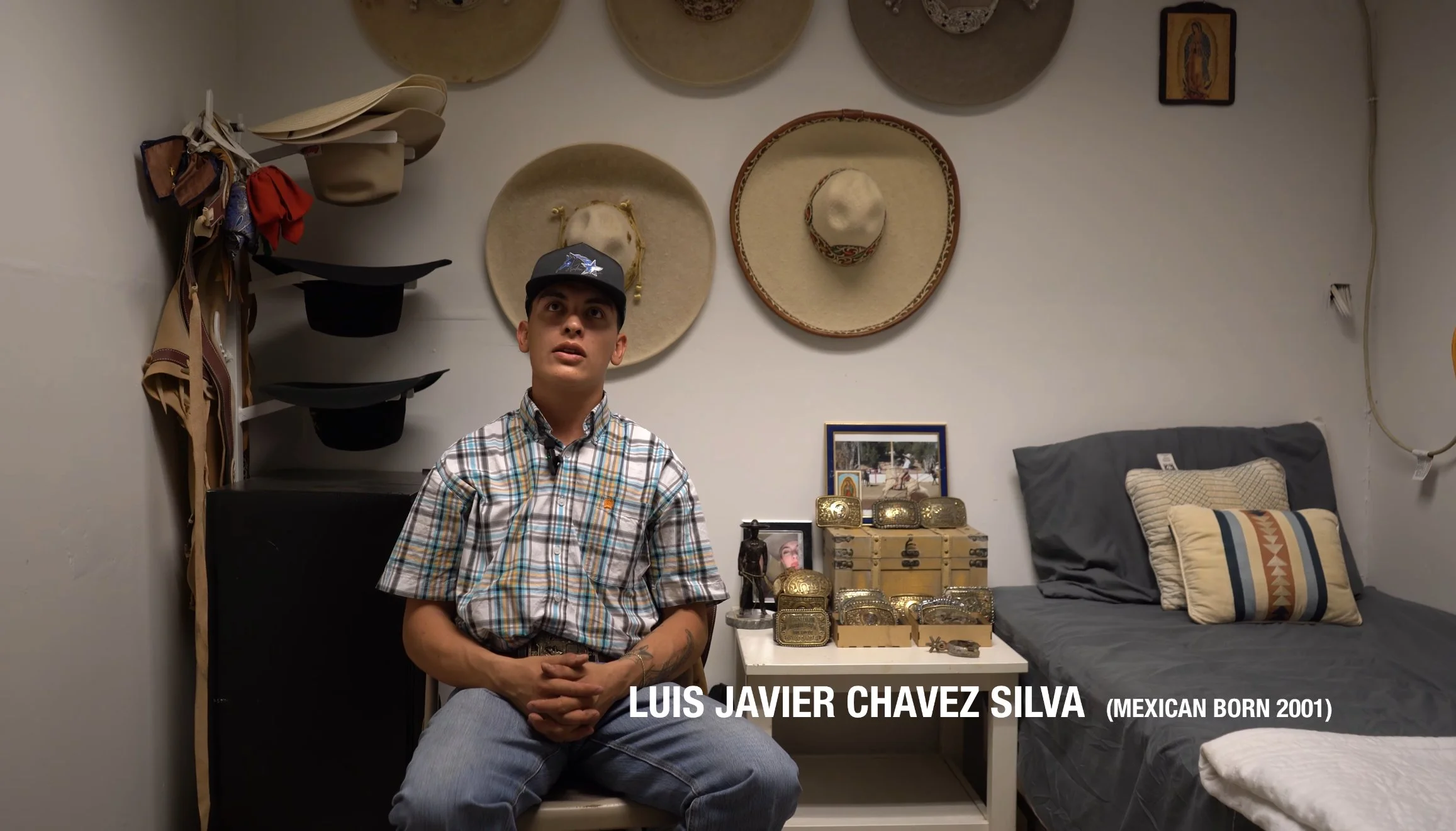
Luis Javier Chavez Silva (Mexican born 2001) :
[06:34] Mi recuerdo más temprano de la charreria fue yo creo que como a la edad de
cinco, cuatro, cinco años cuando
Yo estaba en el kinder y mi mamá me dejaba porque se tenía que ir a trabajar y yo me
iba al lienzo caminando, estaba vivíamos a espaldas de un lienzo yo me iba caminando
al lienzo y me sentaba en las gradas a mirar los muchachos practicar en Guadalajara
Y yo creo que de ahí nació mi , mi amor por la Charreria , siempre hemos sido de
rancho, siempre hemos sido de caballos, solamente que no vengo de familia charra, no
nací en una familia que se dediqué a este deporte pero desde chiquito he tenido el
amor por los caballos, la charreria, los animales, los toros, las vacas, y el ganado… yo
creo…
[07:45] Para mí, oler yo creo que la arena mojada es siento que es lo que te hace que
tengas sentido estar ahí lo que te hace dar lo mejor lo que hace dar lo mejor de ti
ummm, escuchar yo creo que el locutor o la música en el lienzo este te hace saber de
dónde vienes te hace recordar quién eres, este en donde estás parado y te hace
sentirte orgulloso de México.
[8:28 - 9:23] Un Shipibo en España - Juaneco Y Su Combo
[06:34] My earliest memory of charreria was, I think, around the age of five, four, when I was in kindergarten and my mom would drop me off because she had to go to work, and I would walk to the arena. We lived behind an arena.
I would walk to the arena and sit in the stands watching the kids practice in Guadalajara. And I think that's where my love for charreria was born. We've always been from ranches, we've always been about horses.
It's just that I don't come from a charro family. I wasn't born into a family dedicated to this sport, but since I was little, I've had a love for horses, charreria, animals, bulls, cows, and cattle... I think
[07:45] For me, smelling, I think, wet sand is I feel like it's what gives you purpose and makes sense to be there, what makes you give your best.
ummm. Listening to the announcer or the music in the arena, it reminds you of where you come from; it makes you remember who you are, know where you're standing, and it makes you feel proud of Mexico.
[8:28 - 9:23] Un Shipibo en España - Juaneco Y Su Combo
Scene 4
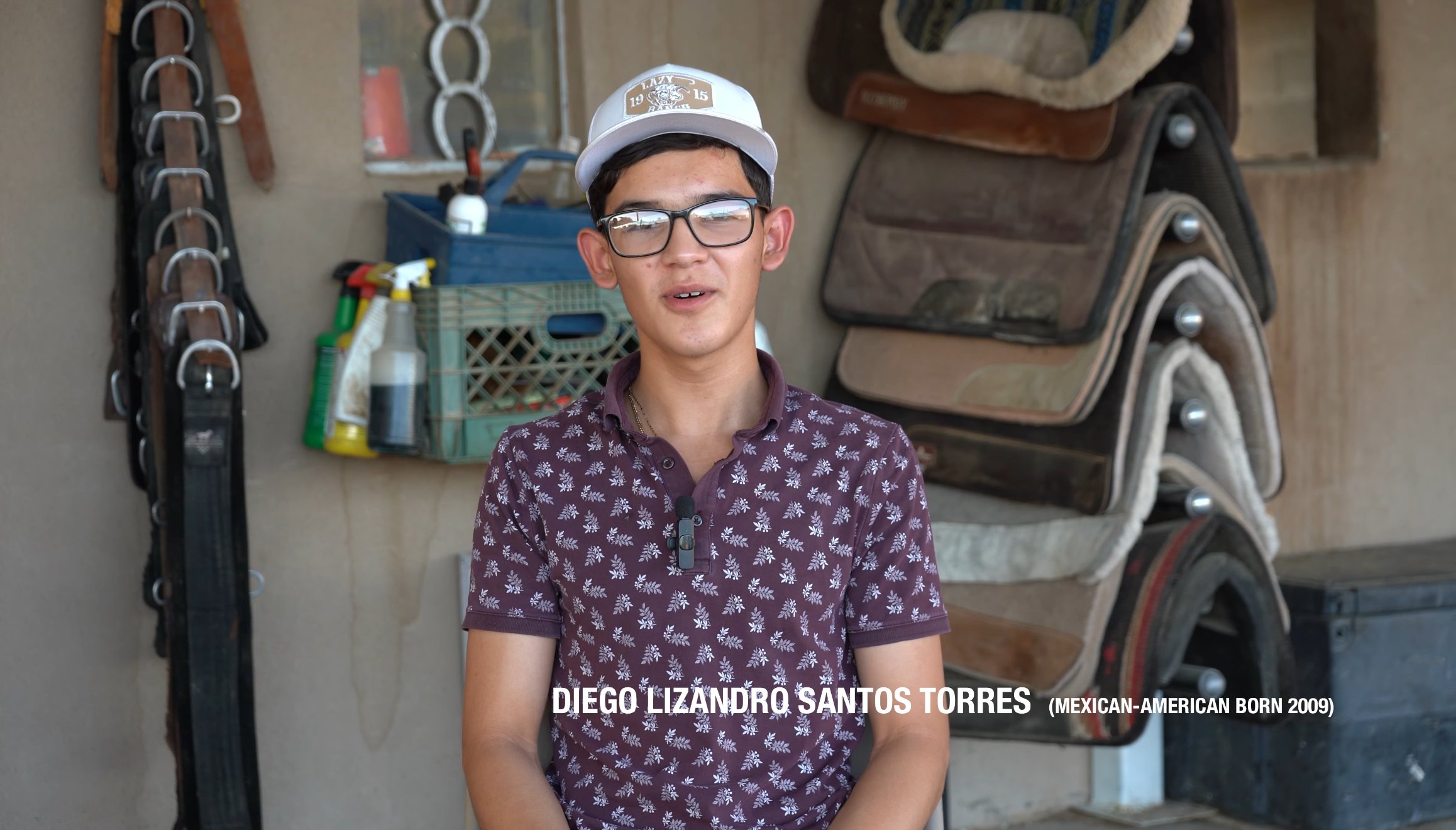
Diego Lizandro Santos Torres (Mexican-American born 2009) :
[9:37] Well I see some of my friends sometimes they come up to me and say it’s kinda cool. I already had two friends in high school that they would see like what I would post on social media and they bought themselves ropes to try to learn how to do trick ropes. Yup.
I think they think it’s really interesting. And they probably in the future will get more involved into the sport.
[10:08] It makes me feel good. And it’s like pretty cool cause I can go to Mexico and compete over there and like come back like to my friends and high school and talk to them about how I did or all the things I saw and like stuff like that. Cause you know, Charrería here in the United States and in Mexico is also really different.
[10:40] I know in California it’s grown a lot and there’s like more states that bring also Charro’s from Mexico here and I think that’s going to make it grow more. Because not only will people see them in Mexico where they can see them compete here in the United States and that will make Charrería more interesting and hopefully it gets a lot bigger, more recognized.
[9:37] Oh. Bueno, a veces veo a algunos amigos que se me acercan y me dicen que
está como que padre. Yo tenía dos amigos en la secundaria que veían lo que
publicaba en redes sociales y se compraron cuerdas para intentar aprender. Sí. Creo
que les parece muy interesante. Y probablemente en el futuro se involucren más en
este deporte.
[10:08] Me hace sentir bien. Y es genial porque puedo ir a México a competir allá y
luego volver con mis amigos de la secundaria y contarles cómo me fue, todo lo que vi
y cosas así. Porque, ya sabes, la charrería aquí en Estados Unidos y en México es muy
diferente.
[10:40] Sé que en California ha crecido mucho y que cada vez hay más estados que
también traen charros de México, y creo que eso hará que crezca aún más. Porque la
gente no solo los verá en México, los podrán ver competir aquí en Estados Unidos, loque hará que la charrería sea más interesante y, con suerte, se haga mucho más
grande y reconocida.
Scene 5
[11:12 - 14:05] De las Tobilleras a las Medias - Germán Valdés “Tin Tan”
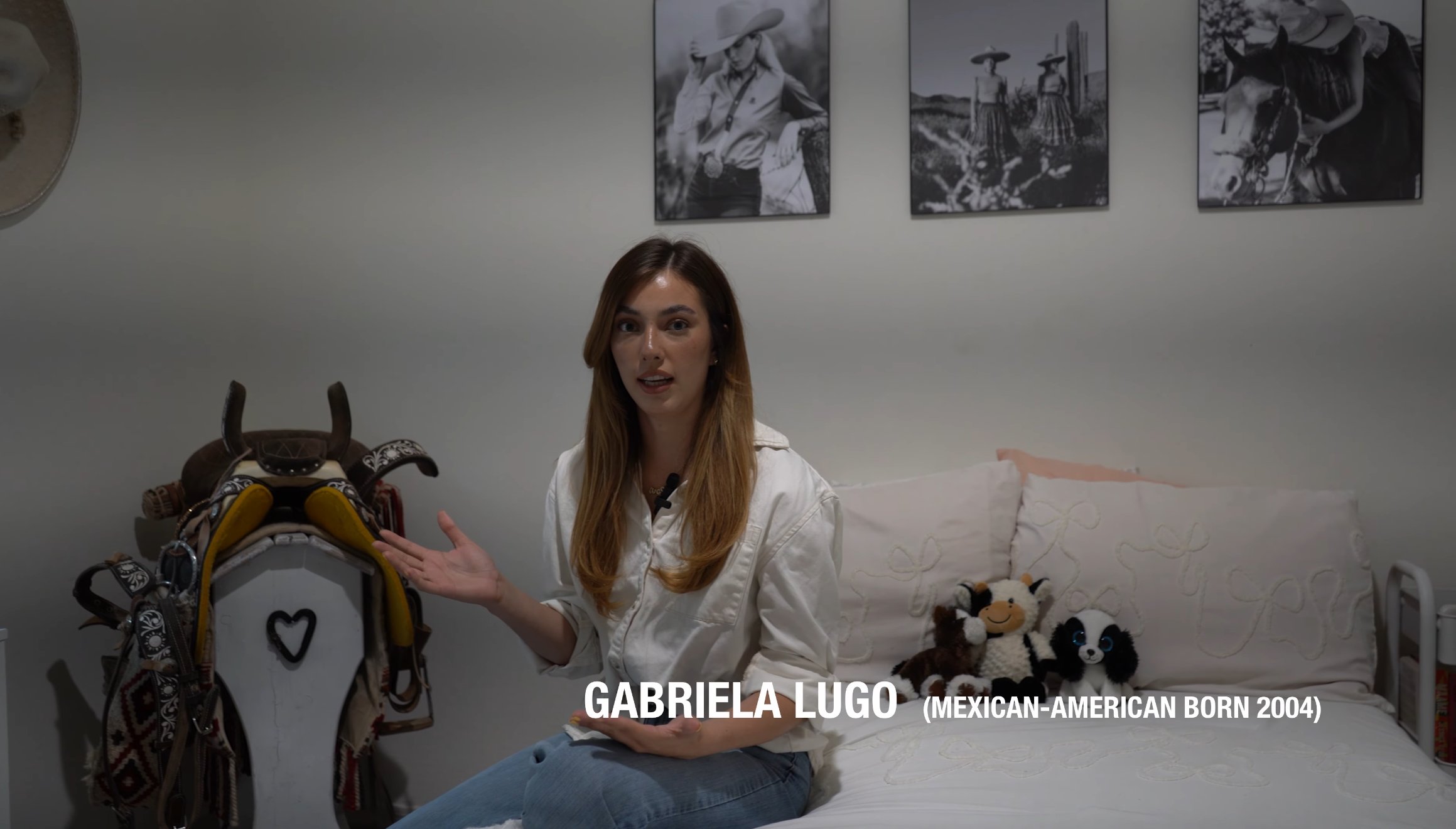
Gabriela Lugo (Mexican-American born 2004) :
[11:59] I would really want to see more events like catered only to women. I think it’s such a fun idea like charras assero is such a big thing, and it’s I mean specialized for just the teams in Mexico.
So teams here can go and whatever. But I would love to see specialized events just for women. Run by only women would be so nice.
[12:24] I think that would take a huge step to help competitive we would become even here in the states. Even having teams from Mexico, I know, especially with a lot of the stuff going on politically.
It would maybe be difficult but that would be so great to see even teams from out there come out here. Do a tournament here with like everybody, just girls, I think that would be such a woman empowerment type of thing.
[12:56] I don’t know, I think that would be a huge step for us, and becoming more of leaders and having more of a voice in our sport.
To have just specialized events for us, run by us, with our rules, with our, whatever we want, whatever way we want it to be run. That would be super cool. And to have more of a mesh between Mexico and the States.
I think that can always be such a divide, even when we go up there. I think there is so much criticism about us being out there. And we are not really Mexican, but over here we are like too Mexican.
[13:38] I think that would just help to kind of unify things and help them see a little bit of our perspective as well. When we go out there and have to compete on different horses and a whole different environment, I think that would like unify everybody from out there and over here as well.
[11:59] Me gustaría ver más eventos dirigidos a las mujeres. Yo pienso que sería una
idea divertida como charras assero; es algo muy grande y quiero decir especialmente
para los equipos en México solamente.Entonces, sí pueden ir equipos de aquí, pero
me encantaría ver esos eventos enfocados en las mujeres. Eventos que estén dirigidos
por mujeres seriá algo muy bien.
[12:24] Yo pienso que eso sería dar un paso muy grande para ayudar a ser
competitivas, y aun aquí en los Estados Unidos. Hasta teniendo equipos en México, yo
sé, especialmente por todo lo que está sucediendo políticamente. A lo mejor sería
difícil, pero sería excelente ver equipos de allá venir aquí. Hacer un torneo aquí, como
con todos , pero solo para mujeres; yo creo que sería algo como el empoderamiento
de la mujer.
[12:56] No sé, creo que sería un gran paso para nosotras, para convertirnos en líderes
y tener más voz en nuestro deporte. Tener eventos especializados, organizados por
nosotras, con nuestras reglas, como queramos, como queramos que se organicen.
Sería genial. Y para tener una mayor integración entre México y Estados Unidos.Creo
que siempre puede haber mucha división, incluso cuando vamos allá. Hay muchas
críticas sobre nuestra presencia allá. Y no somos realmente mexicanos, pero aquí
somos como demasiado mexicanos.
[13:38] Creo que eso ayudaría a unificar las cosas y ayudaría a que vieran un poco de
nuestra perspectiva. Cuando salgamos a competir con caballos diferentes y en un
entorno totalmente distinto, creo que eso como que uniría a todos, tanto a los de allá
como a los de aquí.
Scene 6
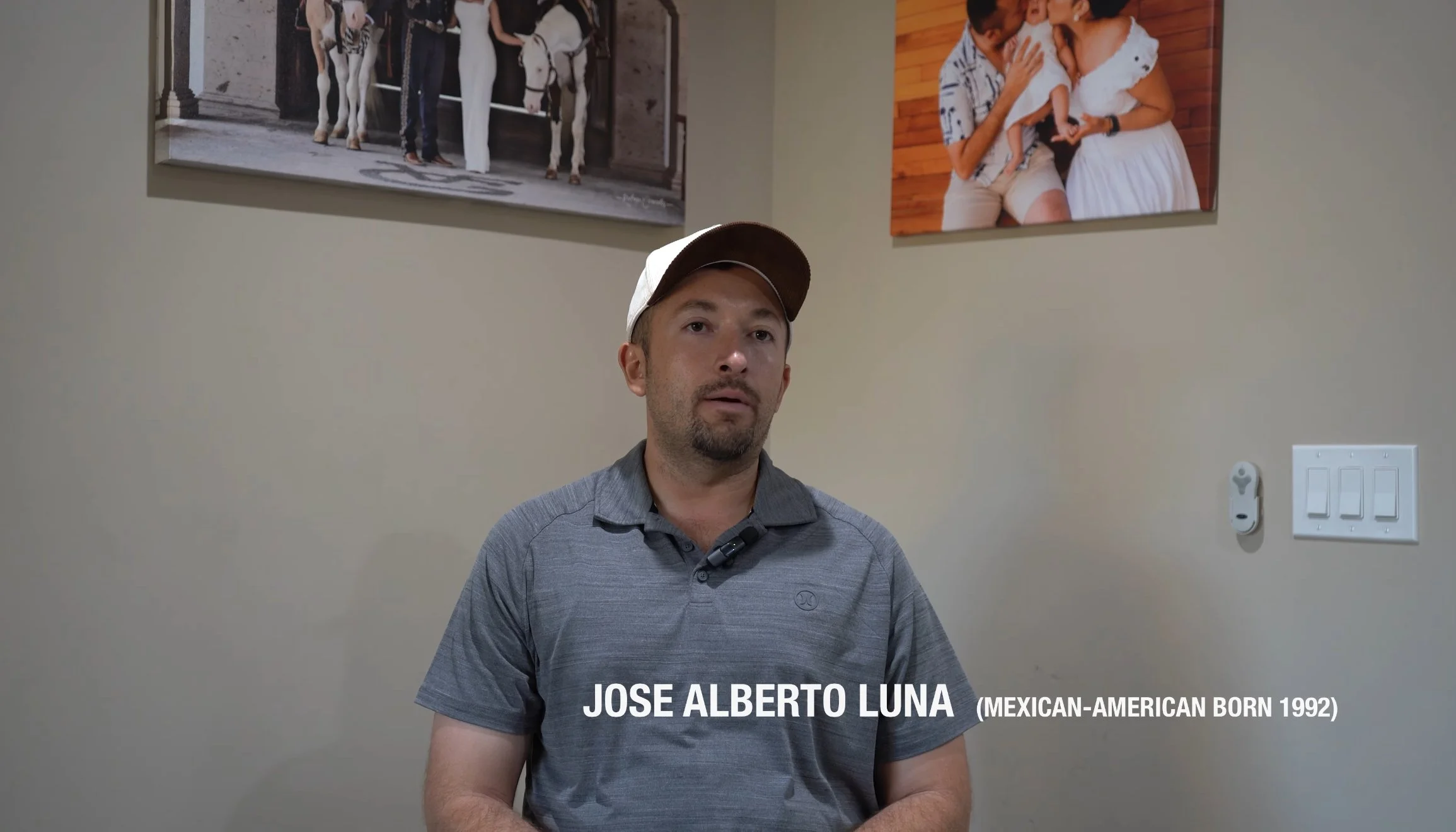
Jose Alberto Luna (Mexican-American born 1992) :
[14:19] Era fue mi pasión se convirtió en algo … la gente que no está alrededor de los
caballos puede explicar cómo te comentaba hace rato …este… mi papá, mi mamá me
traían en los lienzos, me traían alrededor de los caballos, entonces era una distracción
fuera de estar en mi casa antes de estar en la escuela. Estar afuera, todo niño desea
estar afuera, estar disfrutando, estar jugando. Y esa era mi distracción o mayor gozo,
estar afuera y rodeado de los caballos. Los caballos te trasmiten una energía que
solamente la gente que no estado alrededor de un cabello este no puede entender,
este entonces pues todo ósea es que es mi todo
[15:19] I think it is important because it is good to know once again where we come from.
It doesn’t matter if you’re hispanic, if you’re you know white, if you’re African-American. It is good to know that there is a past you know that we carry on.Unfortunately many cultures don’t really know about their past, they just know that they are from the United States per se.
You know and I have met a couple people that I have asked them, “Where do you come from? or what’s your past? or how did you come to the United States, immigrate to the United States?”. And they are like “Oh I don’t know”. And that gets me a little saddened to know that people don’t know their past. It is something that we should be happy, thankful, and grateful about it.
So for me, just for my daughter to know those little things, you know where she comes from. I just hope she carries it on to the next generations.
[14:19] It was, it is my passion, it turned into something… people who haven’t been surrounded by horses can explain like how I was telling you earlier, my dad, my mom would take me to the arenas.
They would take me to be around horses so it became a distraction outside of being at home before school. Being outside, every kid wants to be outside and enjoying themselves, playing outside. And that was my greatest distraction or my greatest joy, being outside and surrounded by horses.
Horses transmit an energy that only people who haven’t been around them can’t understand. So well, it’s everything to me.
[15:19] Creo que es importante porque es bueno saber de dónde vienes. No importa si
eres hispano, si eres Americano, si eres afroamericano. Es bueno saber que tenemos
un pasado que conservamos. Desafortunadamente, muchas culturas desconocen su
pasado; solo saben que provienen de Estados Unidos. Sabes, he concodio a varias
personas a las que les he preguntado: “¿De dónde vienes? ¿Cuál es tu pasado?
¿Cómo llegaste a Estados Unidos, cómo inmigraste?". Y me responden: “Ay, no sé”.
Me entristece un poco saber que la gente desconoce su pasado. Deberíamos
sentirnos felices y agradecidos por ello. Así que, para mí, para mi hija que conozca
esas pequeñas cosas, que sepa de dónde viene. Solo espero que ella transmita ese
conocimiento a las próximas generaciones.
Scene 7
[16:17 - 17:07] Me Robaron Mi Runa Mula - Juaneco Y Su Combo
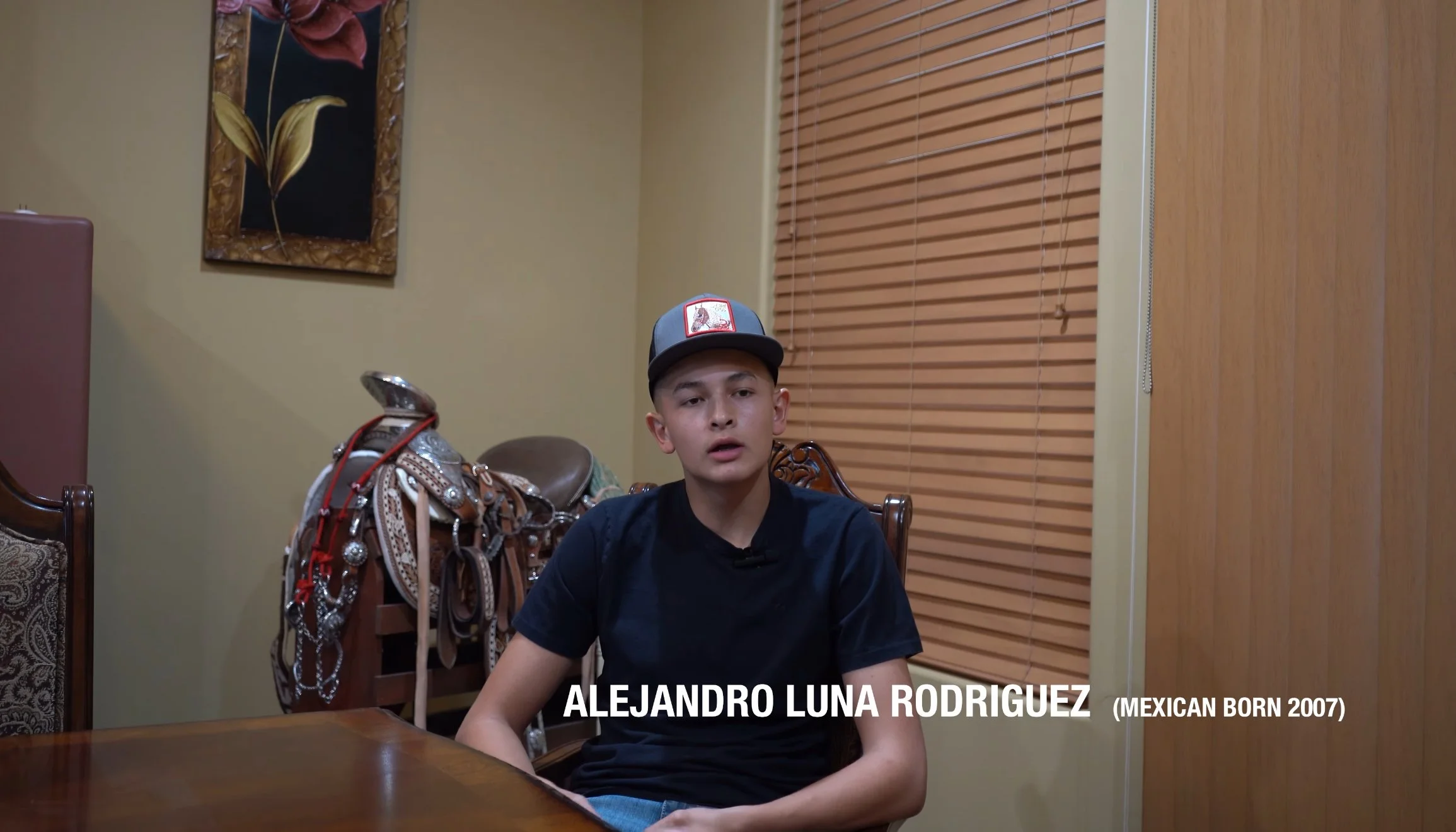
Alejandro Luna Rodriguez (Mexican born 2007) :
[17:09] Well just seeing how they would do it for one now, makes me want to continue it. Not just because they do it like I see them do it, I watch and it’s really cool.
I kind of just grew up with a passion for that. Seeing my dad, my brother, my uncles and whole family. And maybe a lot of people around me. So me just wanting to continuing that for my kids and future family. I would want that too.
[17:34 - 19:06] Cafe Con Pan - Los Utrera
[18:22] Not really I feel like, I am not saying it was easier, but like not as easy as my brother had it. I feel like my brother struggled more.
Like yeah I feel like they are more on me, do this and be better, because like they grew up differently than I did. I could relate to my brother, like he has always wanted me to do better than him.
Cause he has been through all that. He has always been like do this, don’t do that. It makes it seem like it’s hard, but it really isn’t.
It is just showing me a different path maybe. Just for me to be better. I don’t know it’s weird.
[17:09] Bueno, nada más de ver cómo lo hacen ahora, hacen que me den ganas de
seguir haciéndolo. No solo porque lo hacen como los veo, sino también porque me
parece muy bien. Como que yo crecí con esa pasión, viendo a mi padre, a mi
hermano, a mis tíos y a toda mi familia. Y quizás a mucha gente a mi alrededor. Así que
solo quiero seguir transmitiendo eso a mis hijos y a mi futura familia. Me gustaría
hacerlo.
[17:34 - 19:06] Cafe Con Pan - Los Utrera
[18:22] La verdad es que no. No estoy diciendo que haya sido más fácil, pero no tan
fácil como la tuvo mi hermano. Siento que él tuvo más dificultades. Como si yo siento
que están más sobre mí, que haga esto y que mejore, porque, como ellos, crecieron de
forma diferente a mí. Me identifico con mi hermano; siempre ha querido que me vaya
mejor que a él, porque ya pasó por todo eso. Siempre me ha dicho como "Haz esto,
no hagas aquello". Parece difícil, pero en realidad no lo es. Quizás solo me está
mostrando un camino diferente, para que yo mejore. No sé; es raro.
Scene 8
[19:16 - 20:50] Para Siempre - Vicente Fernández
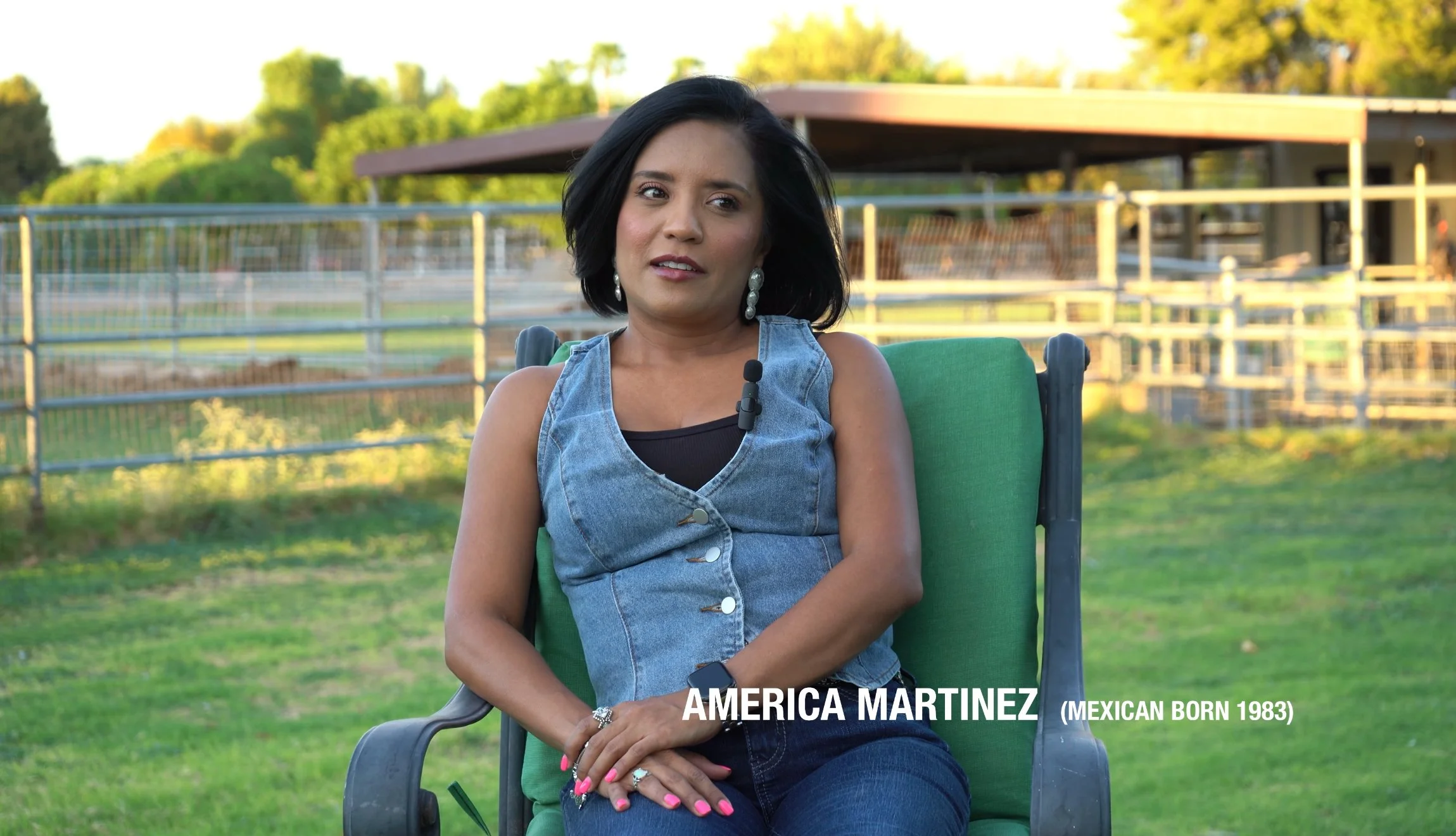
America Martinez (Mexican born 1983) :
[20:47] Well I feel brave. I feel brave for being part of this tradition. And the fact that it is male dominated I mean yes of course it’s obvious but to me it’s giving it the feminine touch that it, that it should have that, that I’ve been seeing passed down from tradition to tradition or from generation to generation.
So I think it’s, yes the feminine part of it, but also the bravery of it as well and I think more than anything is as a woman I feel that’s it’s what, I feel like we bring the sport together you know what I mean. Like maybe the glue of it um as mothers we are you know bringing in that next generation that hopefully is going continue on with the sport so it’s a very important role competing in it.
But also being a woman who has kids and who has high hopes that they will continue on with the tradition.
[21:57] I think it’s up to us parents. You know to build that interest you know… um… I just, taking my kids for example, I mean they, they were born into this type of family, they were born into this lifestyle so this is all they they know.
You know of course I encourage my kids to play sports as well. You know my daughter plays volleyball, they both play soccer when it’s soccer season and everything. But we try to expose them to everything else not just, not just this as well but I mean they, they know that this is part of us, you know this is their normal for them. You know from the day to day they know that I practice all the time and they go to practice with me as well.
Um they love going to the competitions in Mexico they see my sister rides as well she has her team my nieces ride so it’s all part of our normal and they’re learning at such a young age they are learning to love what we do already that I think that’s what it takes in order for them to want to keep doing it as they are older.
And more than anything give them the background of it, you know, why we are here, where it came from, How we started.
You know as my dad, his dad, you know how far it goes you know for them to value the tradition and to want to keep that alive hopefully for their kids as well.
[20:47] Me siento valiente. Me siento valiente por formar parte de esta tradición. Y el
hecho de que esté dominada por hombres... sí, claro, es obvio, pero para mí es lo que
le da ese toque femenino que debería tener, ese toque que he visto transmitirse de
tradición en tradición, de generación en generación. Así que creo que sí, es la parte
femenina, pero también la valentía, y creo que, sobre todo, como mujer, siento que eso
es lo que…
Siento que somos quienes unimos este deporte, ¿sabes? Como si fuéramos el
pegamento, como madres, estamos introduciendo a la próxima generación que, con
suerte, continuará con el deporte, así que competir en él es un papel muy importante .
Pero también ser una mujer con hijos y con la gran esperanza de que continúen con la
tradición.
[21:57] Creo que está en los padres. Ya sabes, fomentar ese interés... um... Por
ejemplo, mis hijos nacieron en este tipo de familia, en este estilo de vida, así que es
todo lo que conocen.
Claro que también animo a mis hijos a practicar deportes. Mi hija juega voleibol, y los
dos juegan fútbol cuando es temporada. Pero intentamos que conozcan todo lodemás, no solo esto. Saben que esto forma parte de nosotros, es normal para ellos.
Saben que entreno constantemente y que van conmigo a entrenar. Les encanta ir a las
competencias en México; ven competir a mi hermana, a su equipo y a mis sobrinas. Es
parte de nuestra vida normal, desde muy pequeñas, aprenden a amar lo que hacemos.
Creo que eso es fundamental para que quieran seguir haciéndolo cuando sean
mayores. Y, sobre todo, es importante que conozcan los antecedentes, por qué
estamos aquí, de dónde viene todo esto.
Cómo empezamos. Sabes, como mi papá, su papá, sabes, y qué tanto más va, sabes,
lo importante que es para ellos valorar la tradición y querer mantenerla viva, con
suerte, también para sus hijos.
End Credits
[23:30 - 25:35] Me Está Llorando El Corazón - Pepe Aguilar
[25:53 - 27:27] El Crucifijo De Piedra - Linda Ronstadt
Table Of Contents :
-
Scene 1
Angelica Osornio [1:15 - 3:19]
-
Scene 2
Miguel Osornio [3:43 - 6:05]
-
Scene 3
Luis Javier Chavez Silva [6:34 - 8:28]
-
Scene 4
Diego Lizandro Santos Torres [9:37 - 11:03]
-
Scene 5
Gabriela Lugo [11:59 - 13:58]
-
Scene 6
Jose Alberto Luna [14:19 - 16:16]
-
Scene 7
Alejandro Luna Rodriguez [17:09 - 18:55]
-
Scene 8
America Martinez [20:47 - 23:27]
Music in Order of Appearance in Film
El Balajú - Mariachi Cobre
Amanecí En Tus Brazos - Lucha Villa
Contigo - Germán Valdés “Tin Tan”
Un Shipibo en España - Juaneco Y Su Combo
De las Tobilleras a las Medias - Germán Valdés “Tin Tan”
Me Robaron Mi Runa Mula - Juaneco Y Su Combo
Cafe Con Pan - Los Utrera
Para Siempre - Vicente Fernández
Me Está Llorando El Corazón - Pepe Aguilar
El Crucifijo De Piedra - Linda Ronstadt